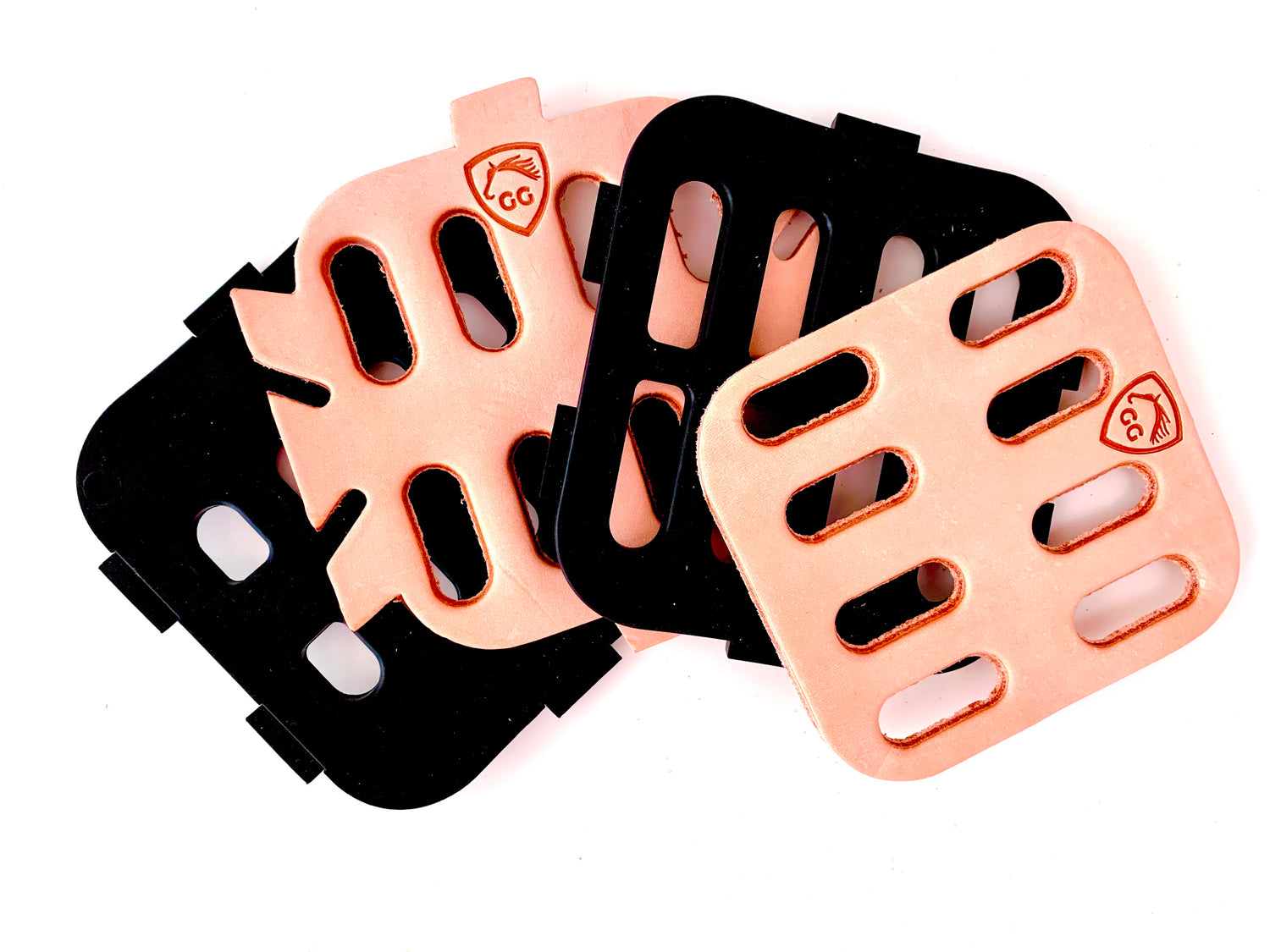
Seasonal change rarely happens all at once. Turnout schedules shift. Travel becomes more frequent. Horses move between paddocks, barns, clinics, and new environments. Even when hay stays the same, how and when it is offered often changes. These subtle shifts can influence digestion, metabolic balance, and overall well-being.
Digestive rhythm is one of the most overlooked yet impactful foundations of equine health. This guide outlines what digestive rhythm is, why it matters, and best practices for horse owners to support it through daily management and periods of change.

Why Feeding Frequency Matters for Horses
Horses are biologically designed to graze for many hours each day. Their digestive systems rely on a steady flow of forage, regular chewing, and consistent saliva production to keep the gut functioning smoothly.
Digestive rhythm refers to this predictable, ongoing process. When forage intake is slow and consistent, fiber moves through the digestive tract at a natural pace. This supports gut motility, digestive comfort, and efficient nutrient utilization.
Disruptions to this rhythm often occur unintentionally. Longer gaps between meals, rapid hay consumption, or stress related to routine changes can all interfere with normal digestive function. While these shifts may seem minor, repeated disruption can place unnecessary strain on the gut over time.
Why Digestive Rhythm Is Easily Disrupted During Change
Periods of transition introduce unpredictability. Late winter and early spring often bring fluctuating pasture access. Travel introduces unfamiliar environments and altered schedules. Barn routines may shift as daylight changes or workloads increase.
During these times, horses may experience longer fasting periods, faster intake when hay is available, increased tension, or signs of digestive discomfort. Supporting digestive rhythm during change helps reduce stress on the gut and supports overall stability.

Best Practices for Maintaining Digestive Rhythm
Supporting digestive rhythm does not require drastic changes. It is built through consistent, thoughtful management choices that prioritize steady forage intake and predictability.
Prioritize Continuous Forage Access
Aim to minimize long gaps without forage. Extended fasting periods interrupt gut motility and can increase digestive stress. When pasture access is limited, providing hay that extends eating time helps maintain a more natural rhythm.
Slow Down Hay Consumption
Rapid hay intake shortens chewing time and increases the length of time a horse goes without forage afterward. Slow feeding systems encourage smaller, more frequent bites, supporting saliva production and steadier movement of fiber through the digestive tract.
Slowing intake is not about restriction. It is about aligning feeding practices with how horses are designed to eat.
Maintain Consistency in Feeding Methods
Consistency matters just as much as timing. Using the same feeding system day after day helps horses develop predictable expectations around eating. This consistency supports both digestive comfort and emotional regulation.
When possible, avoid frequently switching feeding methods, hay presentation, or locations without a gradual transition.
Use Familiar Feeding Systems During Travel and Transitions
New environments introduce unfamiliar sights, sounds, and routines. One of the simplest ways to support digestive rhythm during travel or temporary housing is to maintain consistent feeding practices.
Using the same slow-feeding system at home, during hauling, at clinics, or in temporary paddocks helps maintain a familiar posture, chewing patterns, and feeding rhythm. This familiarity provides a sense of stability when other elements of the environment are changing.
Support Metabolic Stability Through Predictable Intake
For horses with metabolic sensitivities, feeding consistency becomes especially important. Large fluctuations in intake or long fasting periods can contribute to metabolic stress.
Slow feeding helps promote more even forage consumption throughout the day, supporting steadier energy balance and calmer internal responses. Preventative care often begins with reducing extremes and maintaining predictable routines.
Use Slow Feeding as Both Nutrition and Enrichment
When pasture access is limited, feeding systems can also serve as enrichment. Slow feeding encourages horses to remain engaged with forage for longer periods, move naturally between bites, and stay mentally occupied.
This supports not only digestive health but also emotional well-being during times when turnout or grazing opportunities are reduced.

Maintaining Digestive Rhythm Year-Round
Digestive rhythm is not seasonal. It is supported through daily management choices made throughout the year.
Whether navigating seasonal transitions, preparing for travel, or adjusting turnout routines, maintaining consistent feeding systems supports digestive health, metabolic stability, and natural behavior through change.
Thoughtful feeding practices create steadier routines, even when everything else is in motion.
Key Takeaways
- Digestive rhythm depends on steady forage intake, regular chewing, and predictable feeding patterns.
- Slow feeding supports digestive comfort by extending eating time and reducing long gaps without forage.
- Consistency in feeding methods helps support both digestive and emotional stability.
- Familiar feeding systems ease transitions in new or temporary environments.
- Supporting digestive rhythm is a daily management practice, not a seasonal adjustment.
- Portable slow-feeding options, such as the HayPlay Bag and grazing muzzles, can help maintain feeding consistency at home and on the road.

A portable hay storage option by GG Equine's Marketing Director, for keeping feeding consistent while traveling.
Sources and Further Reading
Horses are natural grazers, adapted for steady forage intake over many hours each day. Consistent chewing and saliva production play a key role in digestive comfort and gut motility.
Mad Barn. Horse Digestive Anatomy and Function. https://madbarn.com/horse-digestive-anatomy/
Feeding practices that align with natural grazing behavior support digestive health and overall well-being.
Iowa State University Extension. Feeding Behavior of Horses. https://www.extension.iastate.edu/equine/feeding-behavior-horses
Equine nutrition research emphasizes forage-based diets and consistent feeding routines as foundational to digestive and metabolic health.
National Center for Biotechnology Information (NCBI). https://www.ncbi.nlm.nih.gov/pmc/articles/PMC10135377/
Slow feeding strategies have been shown to extend feeding time, support natural behavior, and improve welfare compared to traditional feeding methods.
ScienceDirect. https://www.sciencedirect.com/science/article/pii/S0737080625004204
This content is for educational purposes only and does not replace veterinary guidance. Always consult an equine health professional when making management changes.