Fall brings cooler temperatures, changing pastures, and often wetter ground. While these seasonal changes may seem like a welcome break from the summer heat, they can also introduce new challenges for your horse's hoof health.
From fluctuations in pasture sugar to increased moisture and muddy conditions, autumn is an important time to pay attention to both your horse's grazing habits and hoof-care routine.
We spoke with Ann Andrews, DVM, CVA, of Park Equine Hospital in Paris, Kentucky, to better understand how fall conditions affect horses and what owners can do to support healthy hooves throughout the season.

How Does Fall Grass Affect Your Horse's Health?
Don't let brown or dormant-looking grass fool you. The appearance of your pasture doesn't necessarily tell you how much sugar it contains or whether it's suitable for your horse.
As temperatures fluctuate throughout the fall, changes in grass growth can influence its nonstructural carbohydrate (NSC) content, which includes sugars, starches, and fructans.
Cool nights and sunny days can be particularly important. When temperatures drop, grass growth may slow, reducing the amount of stored carbohydrates the plant uses overnight. This can result in higher NSC concentrations.
For horses with insulin dysregulation, equine metabolic syndrome (EMS), or a history of laminitis, these changes may require adjustments to their grazing-management plan.
Fall rain can also encourage new grass growth, even when a pasture previously appeared dry or dormant.
Dr. Andrews explains:
"It's not as rich as it was, but we get sporadic rains, and the grass jumps. It will come back so quickly that you don't even realize it. The horses are already on it and they're already eating it."
Even without significant rainfall, morning dew can provide moisture to pasture grasses.
"It may not have rained, but if you walk through the field in the morning, I guarantee your boots will be wet. The ground might not be muddy, but your boots will still get soaked. That moisture all the grass needs to come back, and it will, whether you see it or not."
While dew alone doesn't necessarily cause significant regrowth, it's a useful reminder to pay attention to changing pasture conditions.
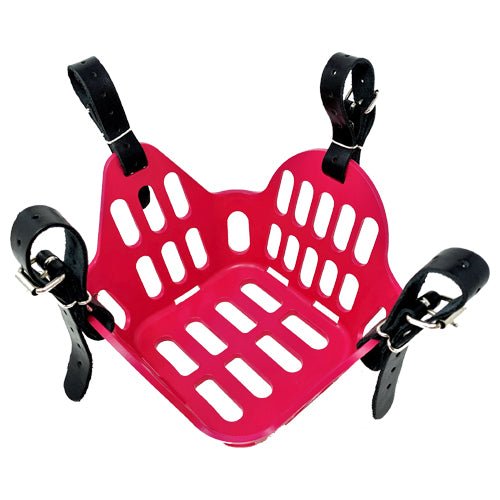
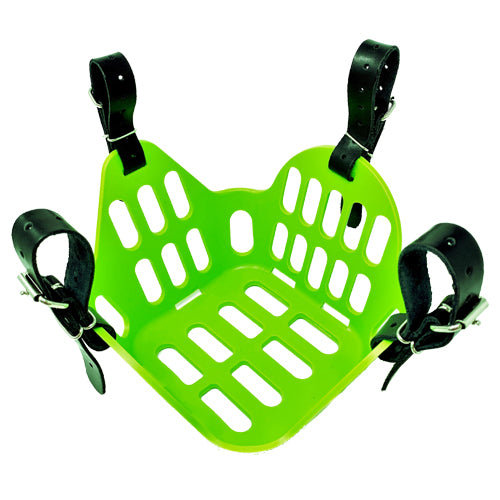
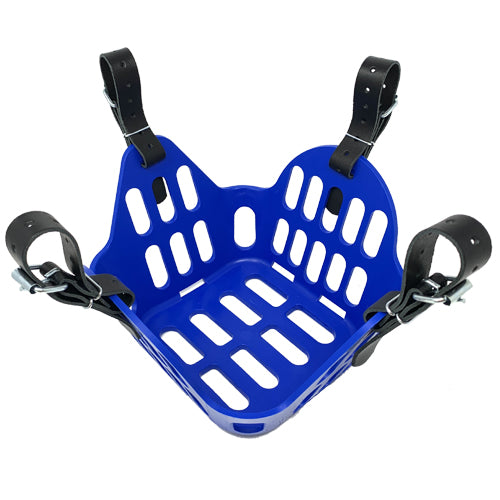
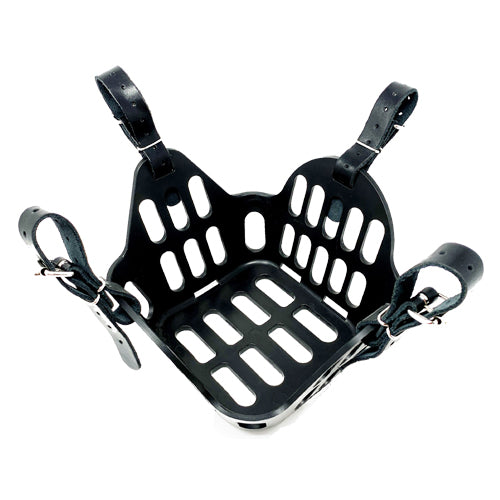
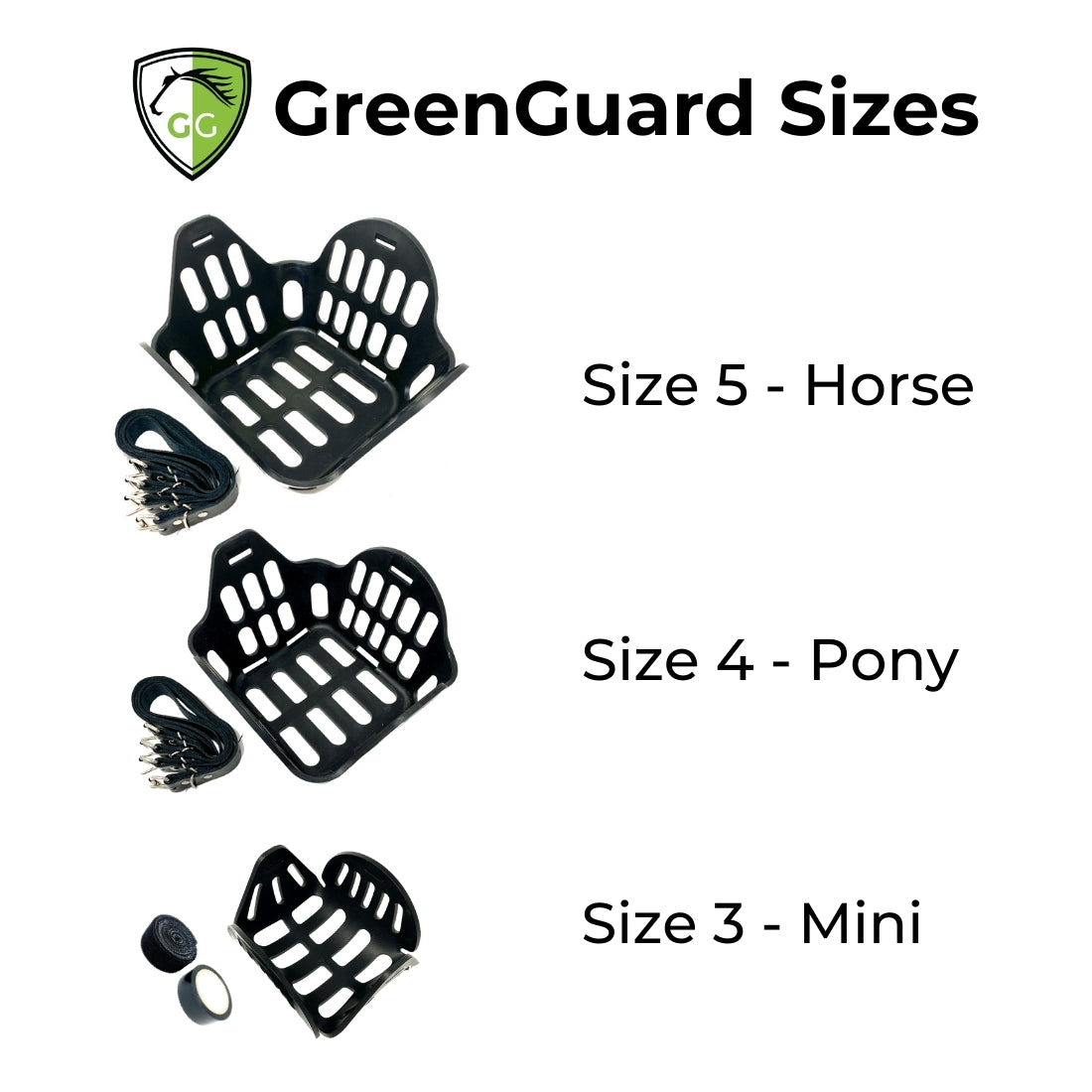
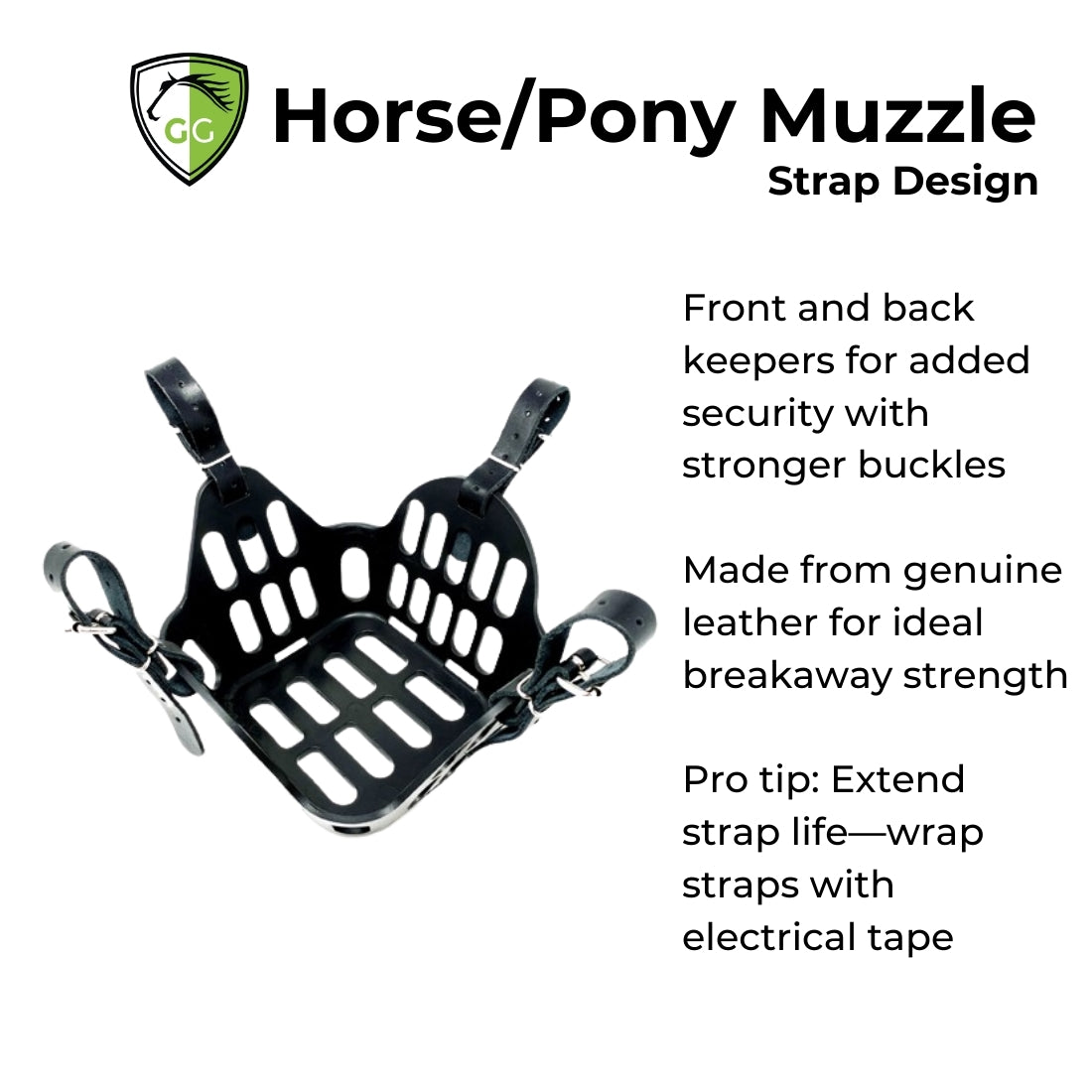
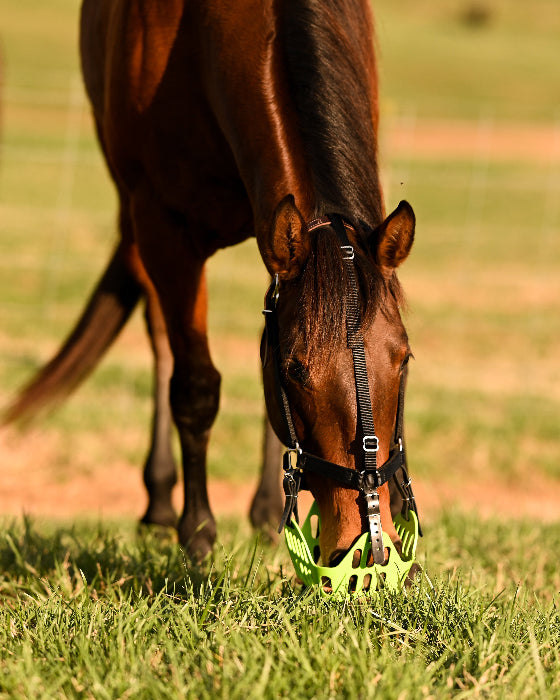
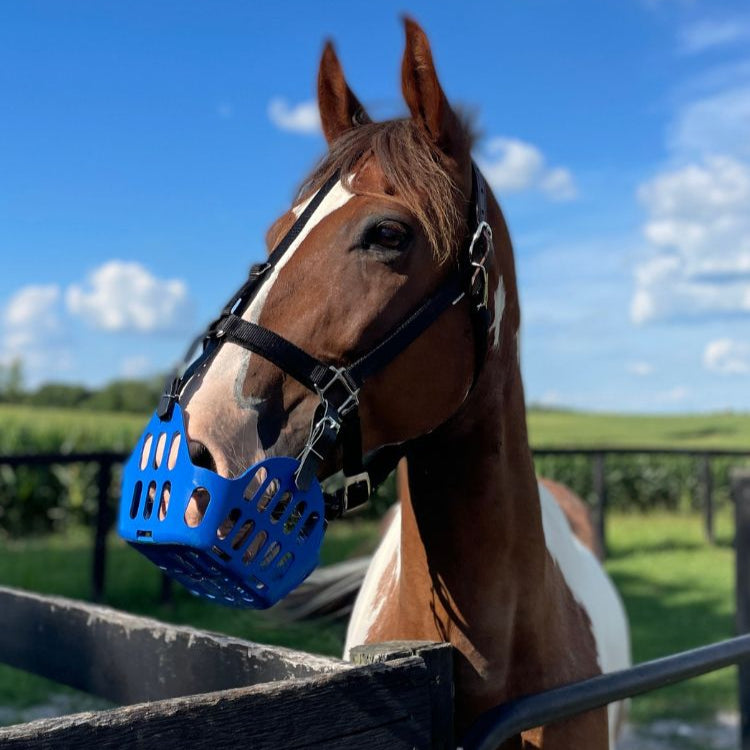
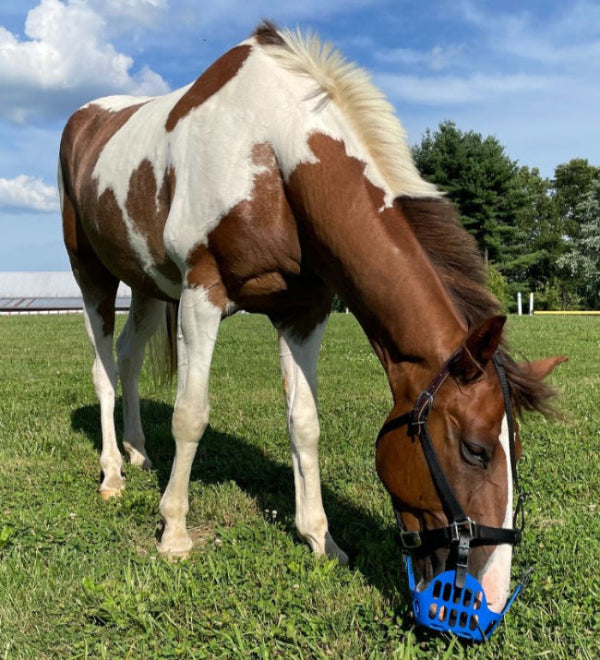
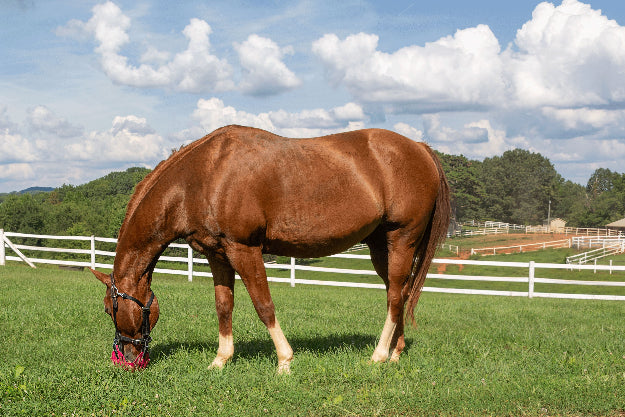
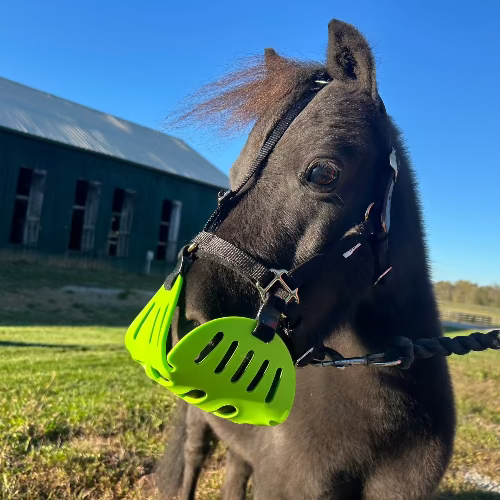
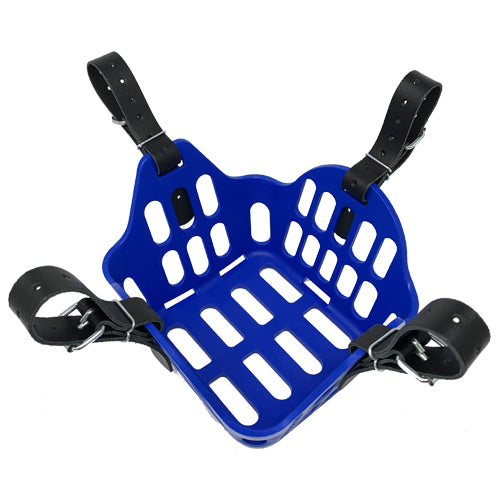
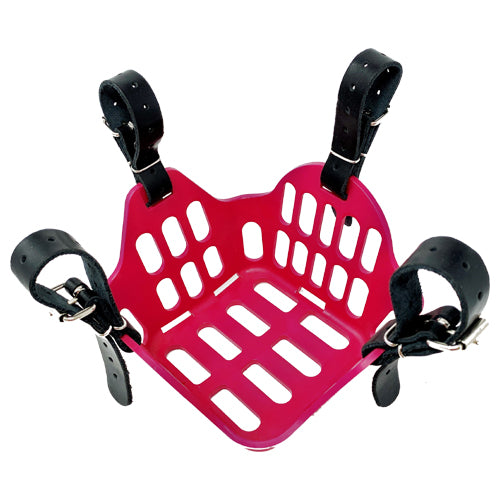
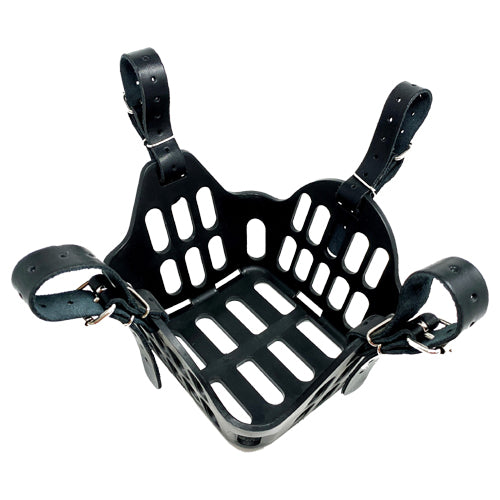
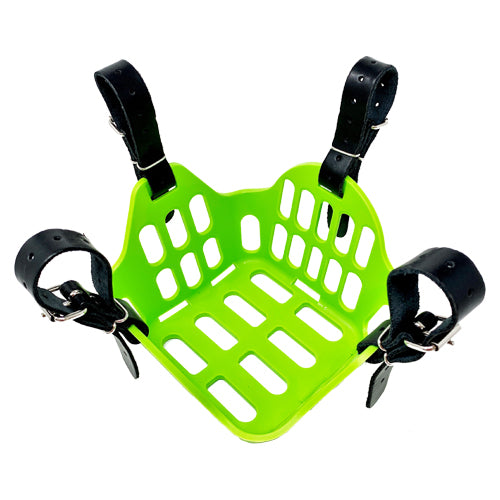
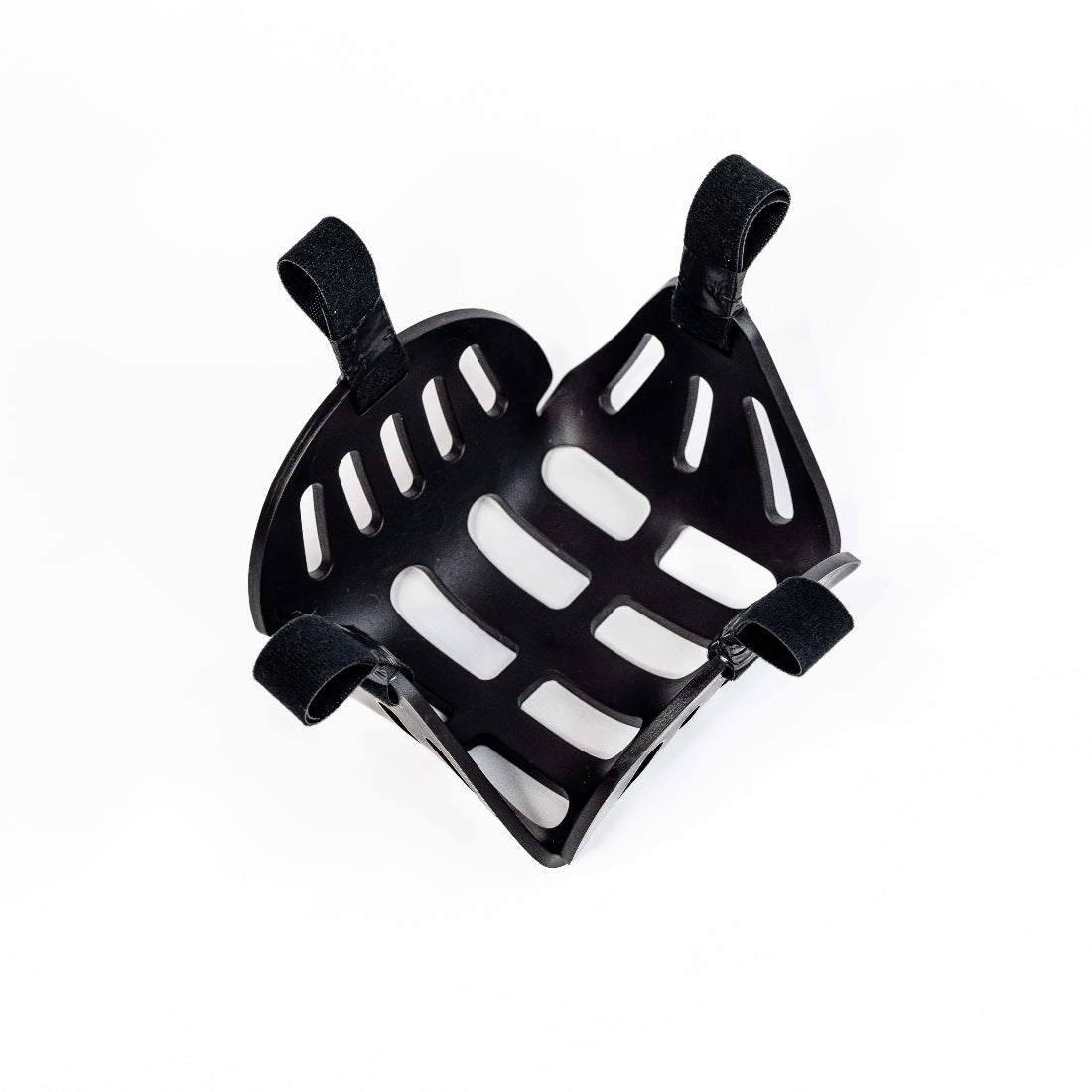
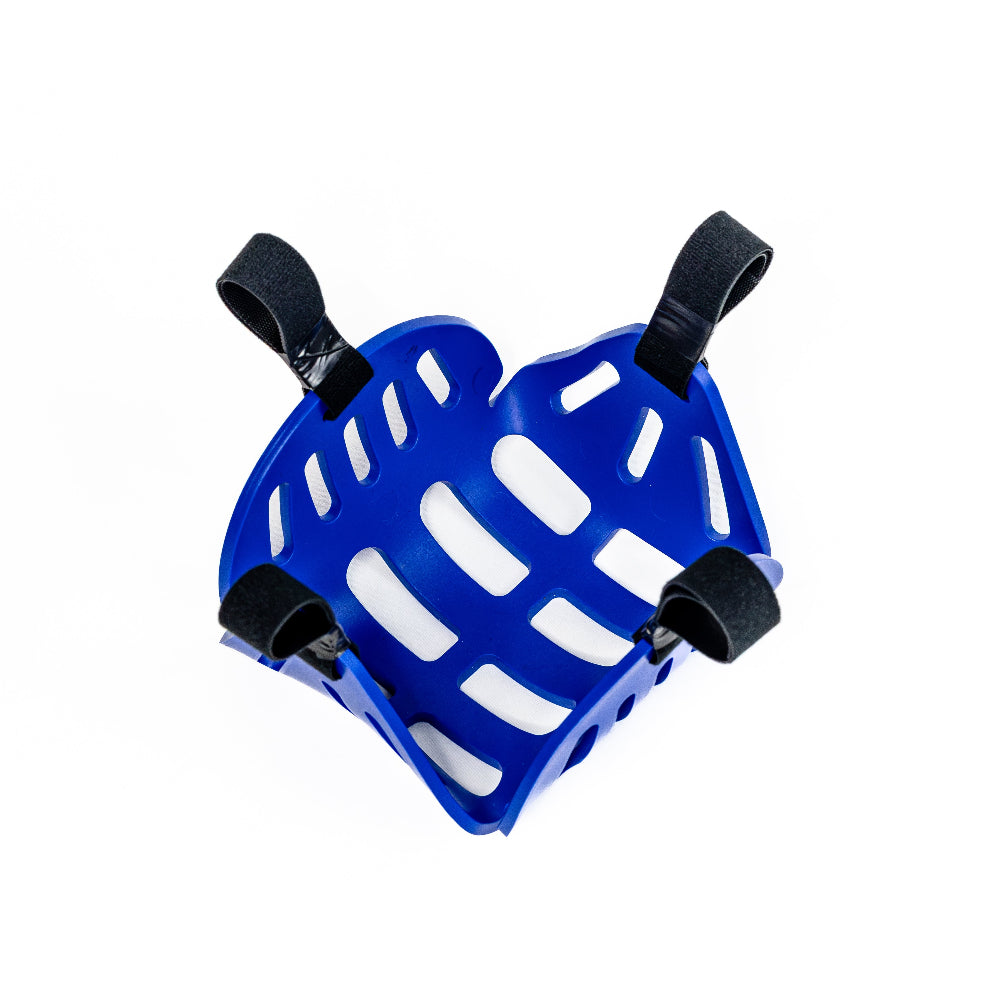
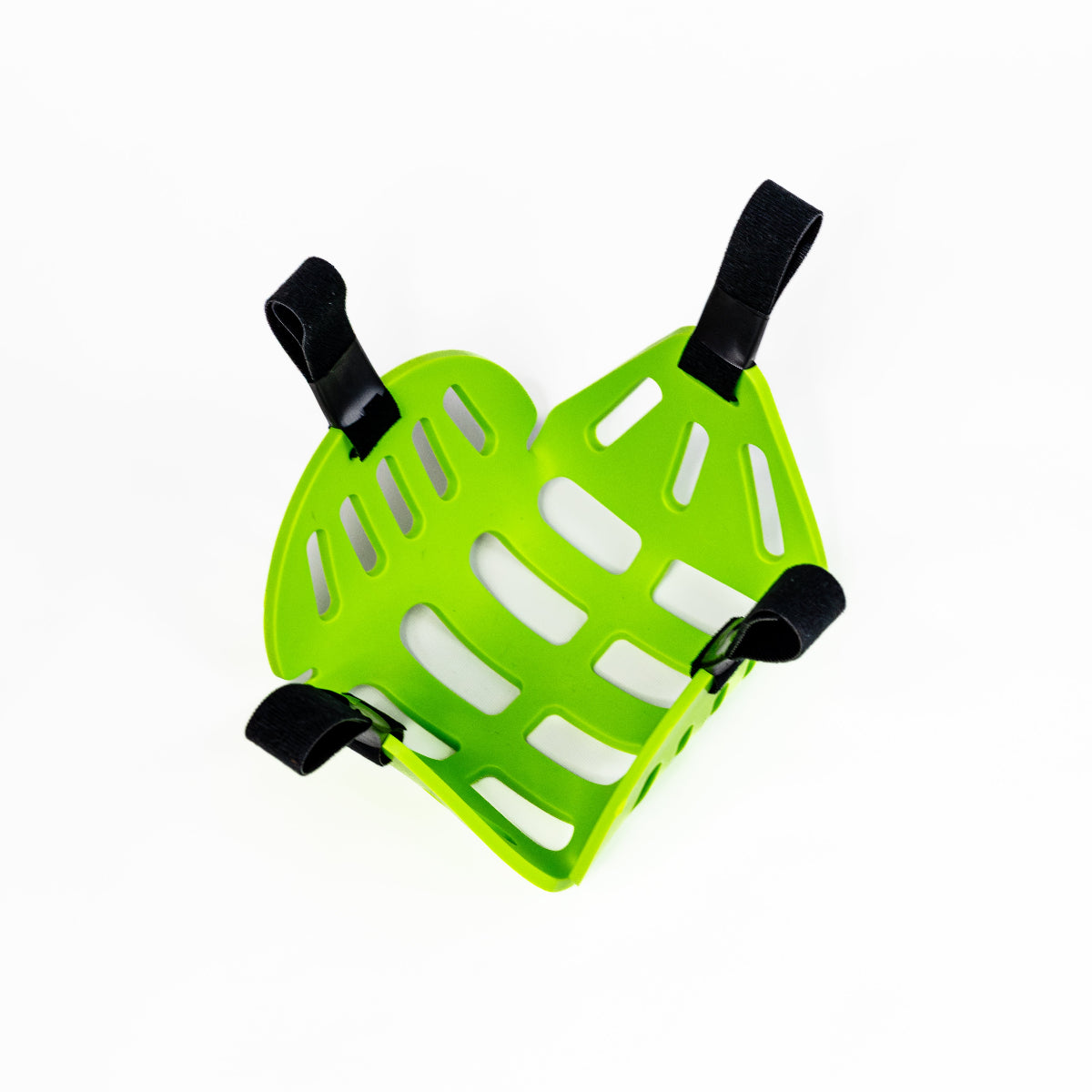
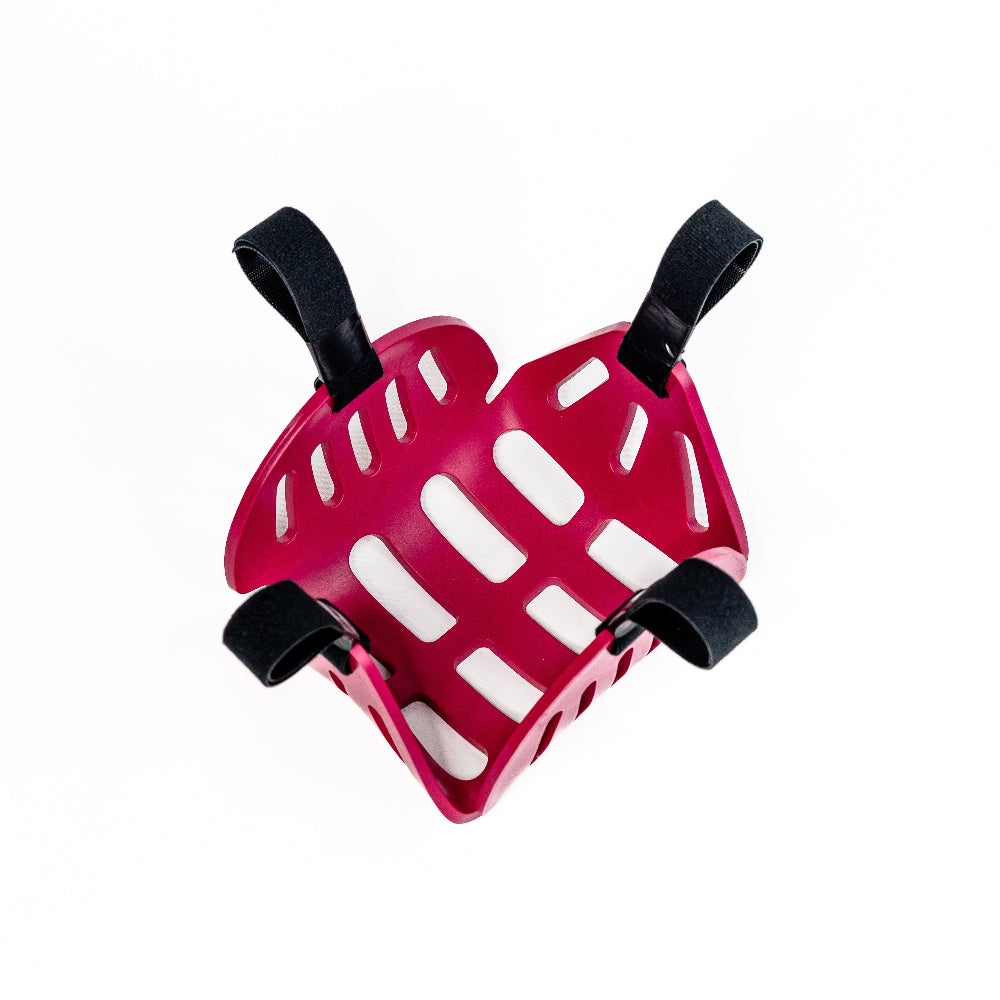
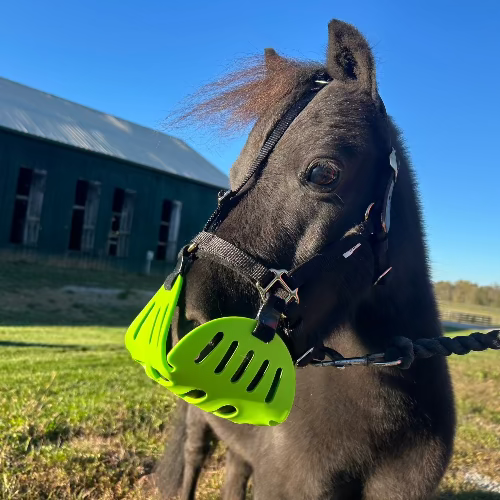
For horses that require restricted grazing, work with your veterinarian to determine whether a grazing muzzle, dry lot, or an alternative forage-management approach is appropriate.
Related reading: Frost, Fall Grass & Sugar: What Horse Owners Should Know
How Does Wet Fall Weather Affect Horse Hooves?
Fall weather doesn't just affect what's growing in your pasture. It also changes the conditions beneath your horse's feet.
During dry summer months, hard ground and changes in hoof moisture can contribute to cracking and chipping. As autumn arrives, rain, morning dew, and muddy turnout areas can expose hooves to prolonged moisture.
Repeated changes between wet and dry conditions may affect the hoof's structural integrity, while consistently damp, contaminated environments can contribute to conditions such as thrush.
Two hoof conditions worth monitoring during the fall are thrush and white line disease.
1. Thrush in Horses: What to Watch For
Thrush is a common hoof infection that typically affects the frog and its surrounding grooves.
It is associated with microorganisms that thrive in environments with limited oxygen, particularly when hooves are exposed to damp, dirty conditions.
One of the most recognizable signs of thrush is its distinctive, unpleasant odor. Some horse owners describe it as sour or similar to rotten eggs.
Other signs can include:
-
Dark or black discharge around the frog.
-
Soft or deteriorating frog tissue.
-
Deep grooves that trap dirt and debris.
-
Tenderness or discomfort when the affected area is cleaned.
Although thrush can initially appear minor, more advanced cases may affect sensitive tissues and cause lameness.
How can you help prevent thrush?
Keeping your horse's feet clean and providing access to a dry, well-maintained environment are important parts of prevention.
Regular trimming also helps maintain healthy hoof structure and can reduce areas where debris and moisture become trapped.
As Dr. Andrews explains:
"If you're getting the feet trimmed regularly, you're losing the ability for that foot to hold onto moisture. You're removing any dead excess foot that shouldn't be there. Excess foot will hold and trap moisture and let the bacteria and fungus sink into it."
If you notice signs of thrush, consult your veterinarian or farrier about appropriate care and treatment.
2. White Line Disease: Why Regular Hoof Care Matters
White line disease is another condition that deserves attention during the wetter months.
It occurs when the inner layers of the hoof wall become separated, and microorganisms invade the compromised area.
Although moisture can contribute to conditions that encourage microbial activity, white line disease is also associated with hoof-wall separation, structural imbalances, and other factors.
For example, allowing the toe to grow excessively long can alter how weight and pressure are distributed across the hoof. Over time, this may contribute to hoof-wall distortion and separation.
Once a separation develops, dirt and debris can accumulate in the affected area.
Dr. Andrews emphasizes the importance of monitoring hoof growth between farrier appointments.
"After your horse gets trimmed, you can see how nice and pretty it looks on the bottom. As time goes on and the dead part of the hoof gets longer, the separation can happen."
She also recommends watching for "dirt, rocks, and debris settling into the white line. The longer you leave it, the more it can move up the foot and cause damage."
Signs of white line disease may include:
-
Separation along the inner hoof wall.
-
Crumbling or deteriorating hoof-wall material.
-
Hollow areas within the hoof wall.
-
Dirt or debris accumulating in areas of separation.
White line disease does not always cause obvious lameness in its early stages, making routine hoof inspections especially valuable.
 Photo by Efraimstochter on Pixabay
If you notice these changes, contact your farrier and veterinarian to determine the appropriate next steps.
What About Fall Grass and Laminitis?
While thrush and white line disease are associated with hoof infections and structural problems, laminitis is a different condition that affects the sensitive tissues connecting the hoof wall to the underlying structures of the foot.
For horses with certain metabolic conditions, consuming pasture high in nonstructural carbohydrates can contribute to elevated insulin levels and increase the risk of laminitis.
Because grass sugar concentrations fluctuate with weather, temperature, and growing conditions, fall pasture management deserves particular attention for horses that are susceptible to this condition.
Signs that require immediate veterinary attention include:
-
Sudden or unexplained lameness.
-
Reluctance to walk or turn.
-
Shifting weight between feet.
-
Increased hoof warmth or a stronger digital pulse.
-
An unusual stance intended to relieve discomfort.
If you suspect laminitis, contact your veterinarian immediately rather than waiting for your next scheduled farrier appointment.
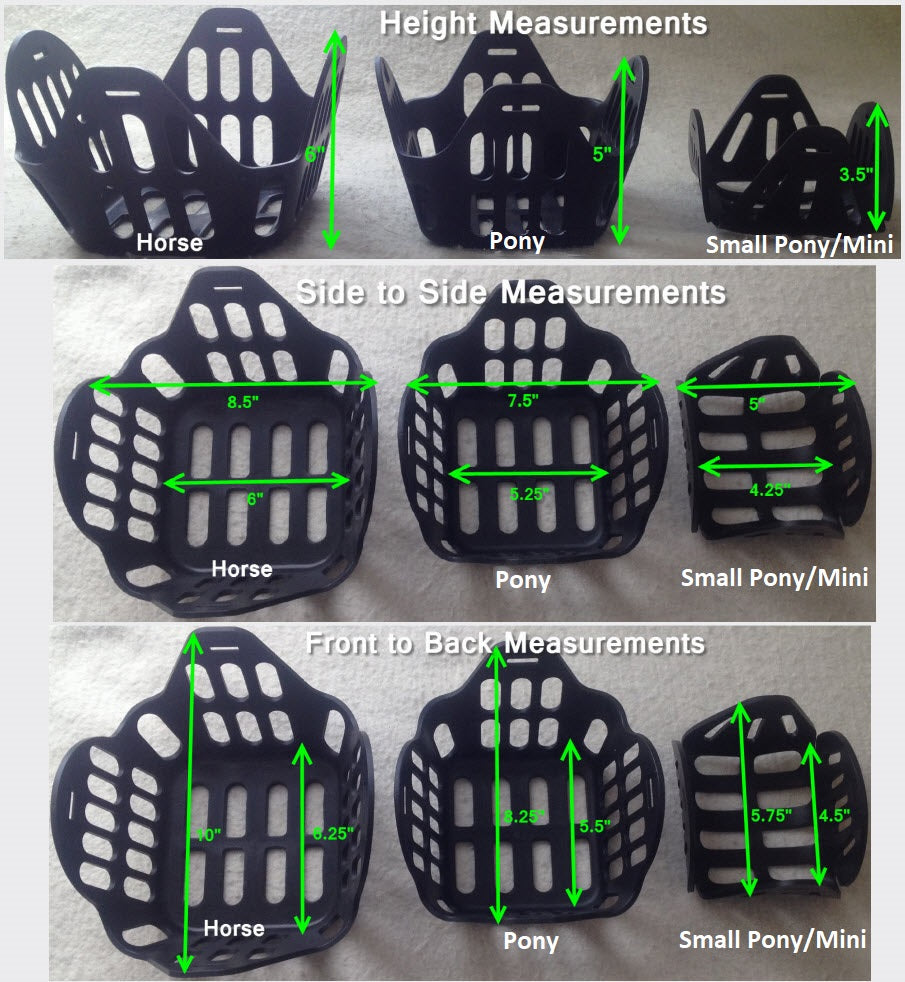
For horses that require controlled grass intake, a properly fitted grazing muzzle may be one component of an individualized management plan. However, some horses may need to avoid pasture altogether.
Related reading: Fall Laminitis: The Danger Is Real
5 Practical Fall Hoof-Care Tips for Horse Owners
Supporting your horse's hoof health doesn't have to mean completely changing your routine. A few consistent management practices can make a meaningful difference as the seasons change.
1. Pick and inspect hooves regularly.
Ideally, make hoof picking part of your daily routine. Look for trapped debris, unusual odors, changes in hoof structure, and signs of tenderness.
2. Provide access to dry footing.
Pay particular attention to high-traffic areas around gates, water troughs, and feeding stations. Providing well-drained footing and a clean, dry place to stand can help reduce prolonged exposure to mud and moisture.
3. Maintain a consistent farrier schedule.
Work with your farrier to establish a trimming or shoeing schedule that suits your horse's individual hoof growth, workload, and management needs.
4. Reevaluate your fall grazing plan.
Monitor pasture growth and changing weather conditions, especially if your horse has metabolic concerns or a history of laminitis. Remember that grass color alone is not a reliable indicator of sugar content.
5. Watch for changes in movement and comfort.
Changes in your horse's stride, willingness to turn, or overall movement can be early signs that something isn't right. Prompt veterinary attention is important when lameness or significant discomfort develops.
 Photo by petri on Pixabay
Healthy Hooves Start With Consistent Care
Fall brings a new set of considerations for horse owners, but thoughtful management can help you navigate the changing season.
Paying attention to pasture conditions, maintaining regular hoof care, and working closely with your veterinarian and farrier can help you identify potential problems early and support your horse's long-term comfort.
Whether you're managing a horse with specific metabolic needs or simply adjusting to wetter autumn weather, the goal is the same: a comfortable horse, healthy hooves, and a management routine that works for both of you.
About Ann Andrews, DVM, CVA
Dr. Ann Andrews graduated from Ross University School of Veterinary Medicine. Her professional interests include podiatry, dentistry, internal medicine, surgery, and radiology. At the time of this interview, she was a practice associate with Park Equine Hospital in Paris, Kentucky.
We thank Dr. Andrews for sharing her time, knowledge, and practical insights into seasonal hoof care.
This article is intended for educational purposes and is not a substitute for individualized veterinary advice.