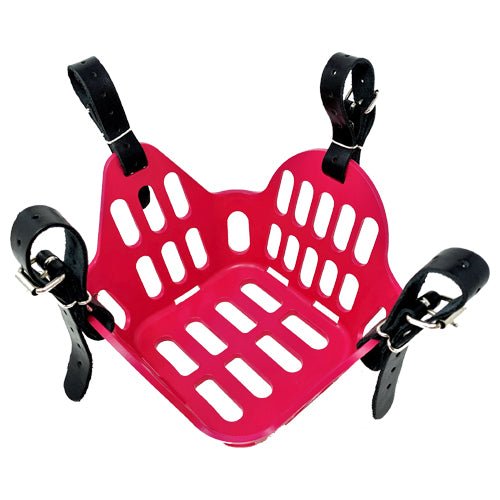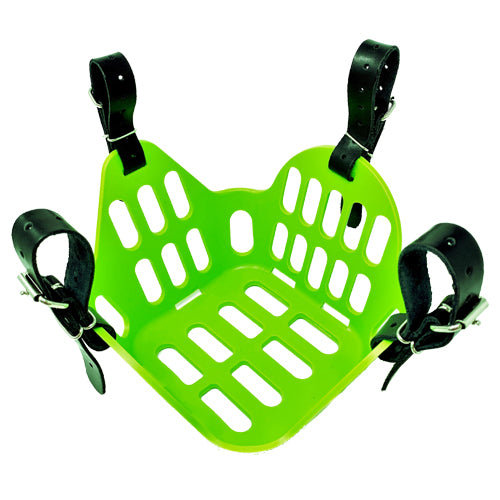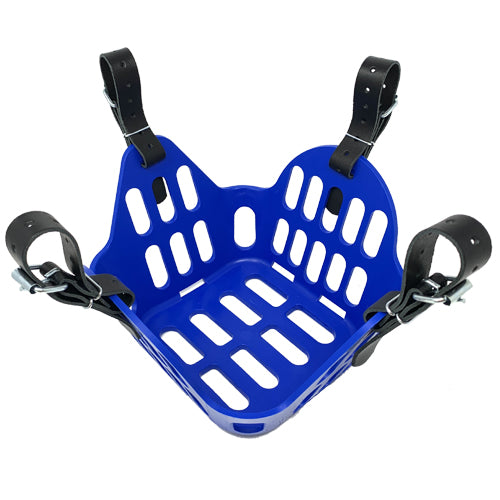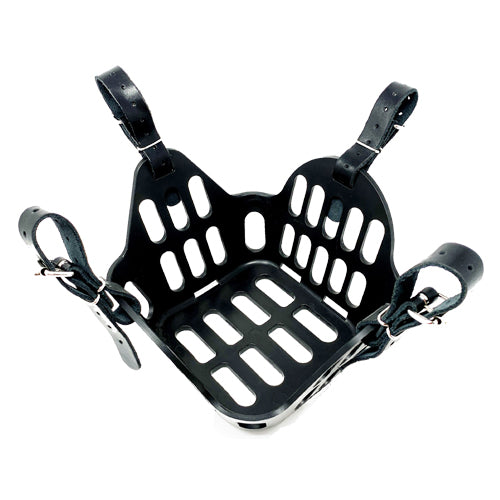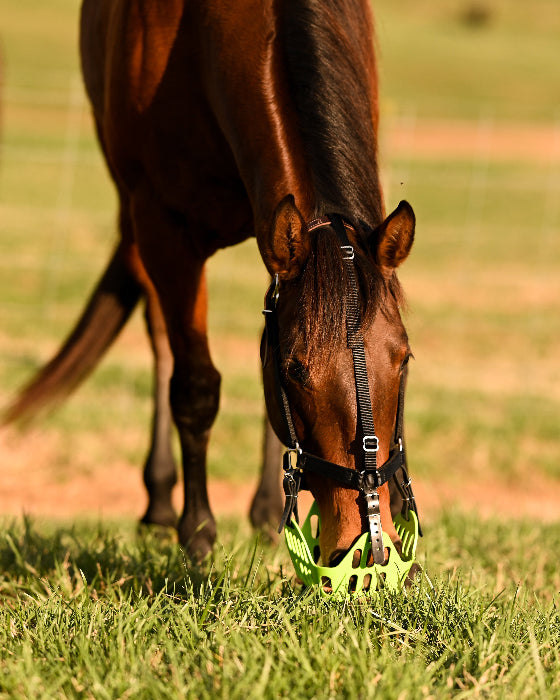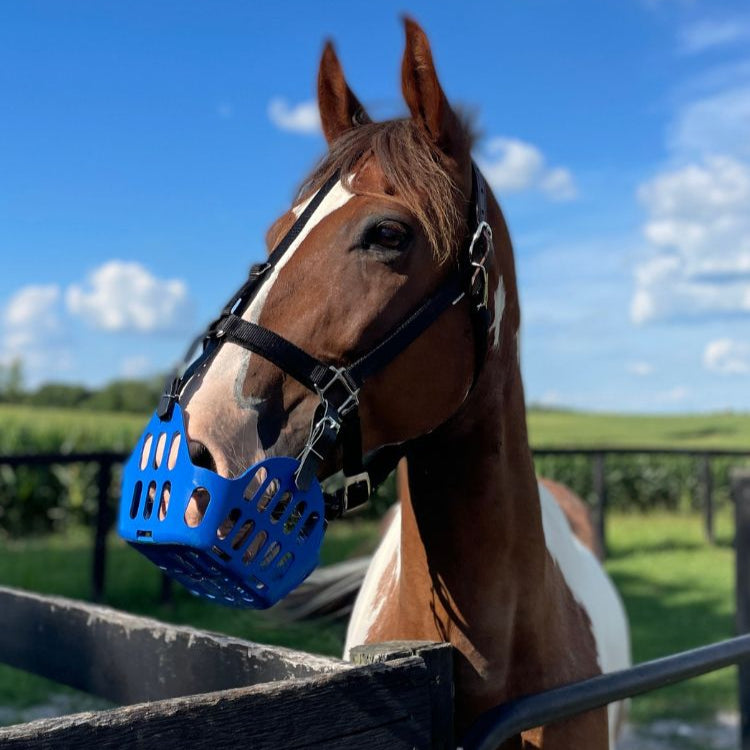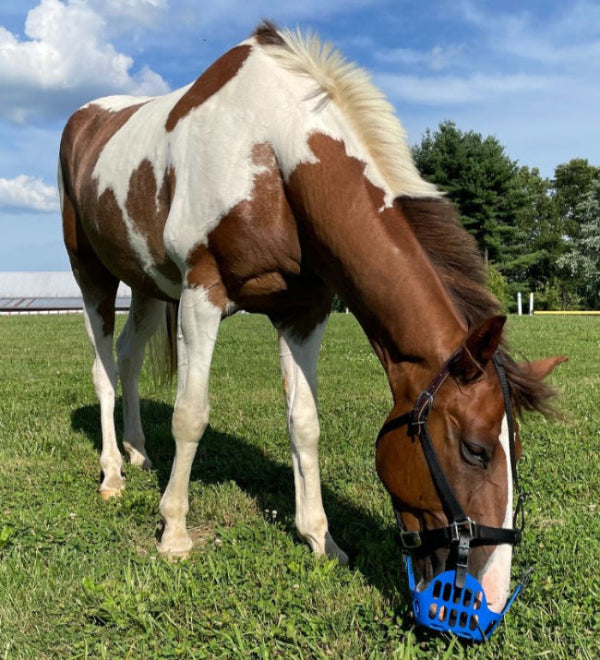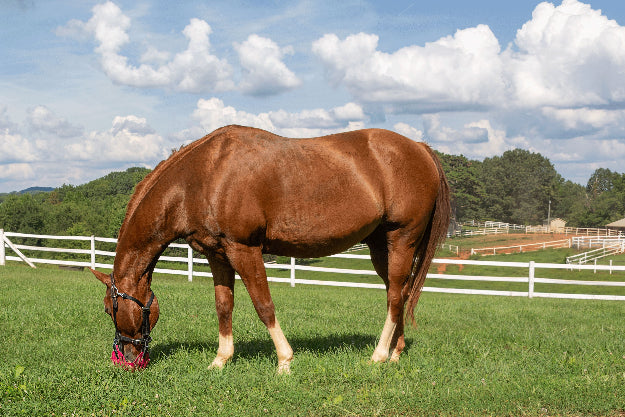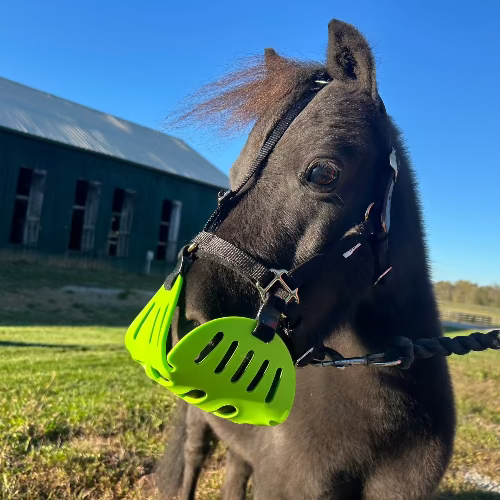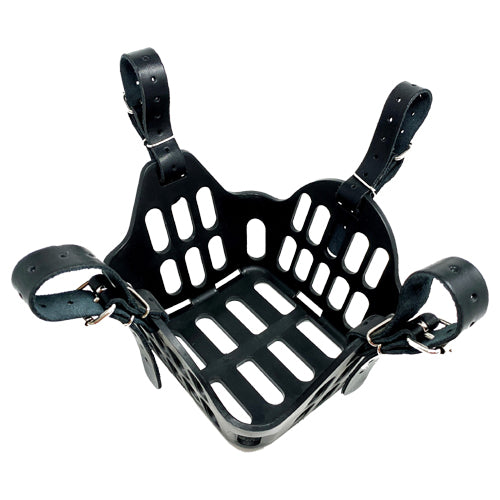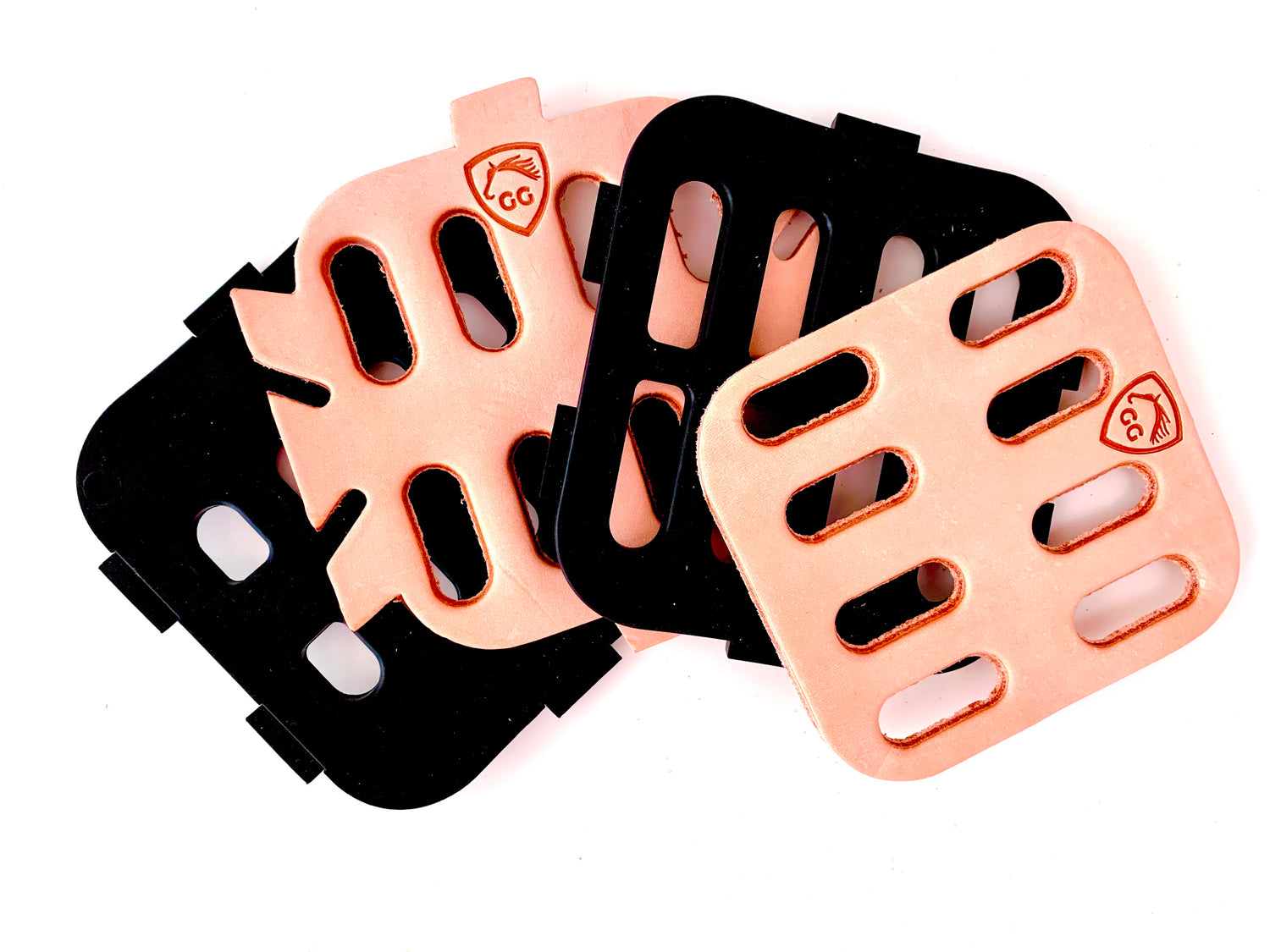
Spring is around the corner, and grazing muzzles are back on many horses’ tack room shelves.
But when should you actually start using one?
Is grazing muzzle season tied to the calendar, or should you be watching for specific changes in your horse and your pasture?
The better question is not “What date do I start?” but “What risk factors are changing?”
Because the answer is different for every horse.
It's safe to admit, this is a well-organized tack room!
Why Spring Grass Increases Laminitis and Colic Risk
As temperatures rise and daylight increases, grass begins to grow rapidly. During this phase, pasture grasses produce and store sugars through photosynthesis.
Those sugars support plant growth. They also increase the non-structural carbohydrate load your horse consumes.
For horses that are:
-
Considered a "fat horse" or overweight
-
Insulin resistant
-
Diagnosed with equine metabolic syndrome (EMS)
-
Managing pituitary pars intermedia dysfunction (PPID)
-
Previously laminitic
Spring grass can quickly become a metabolic stressor.
When high sugar intake overwhelms the hindgut, fermentation changes. Gas production increases. pH drops. Endotoxins may cross into circulation. In metabolically compromised horses, elevated insulin alone can trigger laminitis.
This is why grazing management matters before the grass looks obviously lush.

Pasture that has gone to seed is extra sugary to keep those seeds viable.
How Grazing Muzzles Help Manage Grass Intake
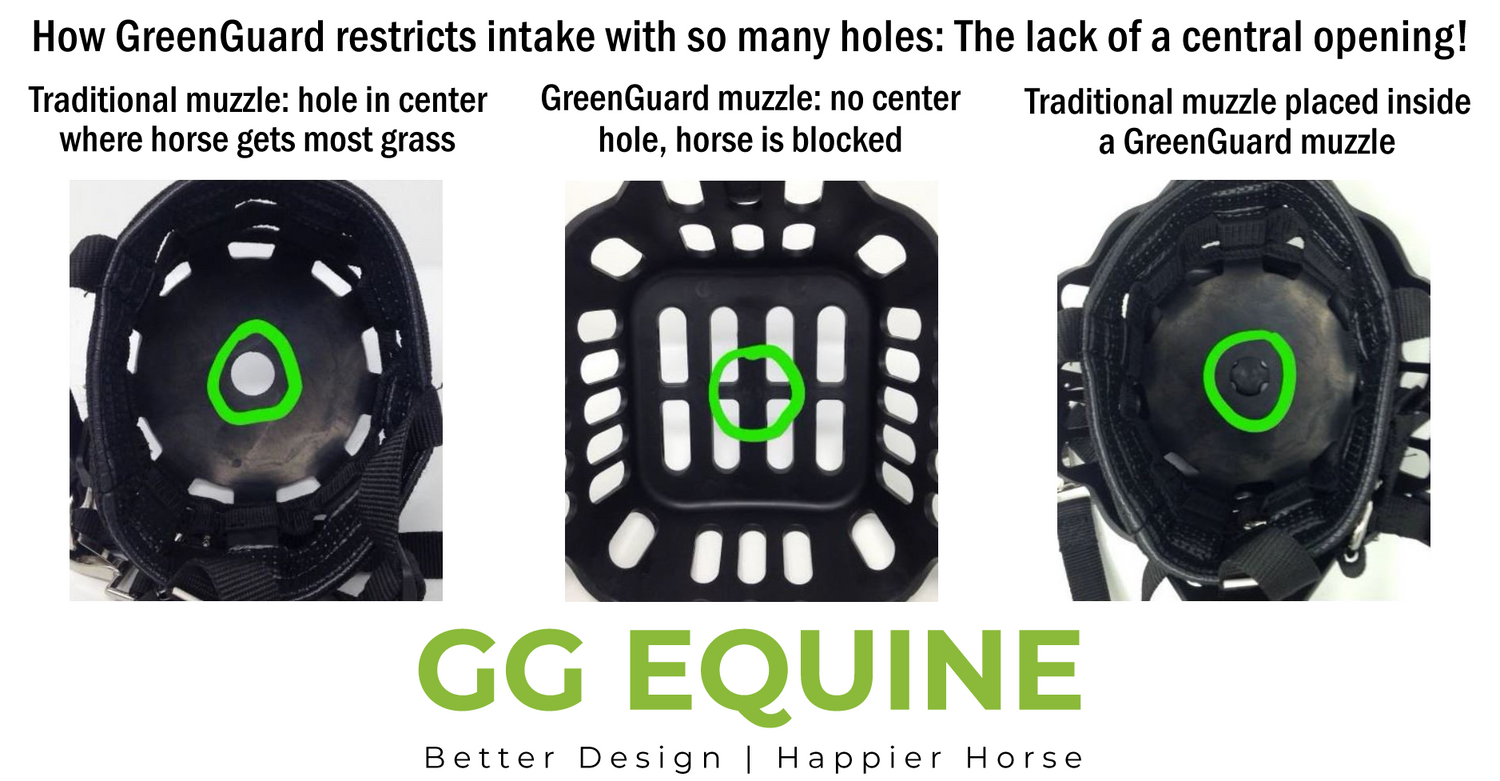
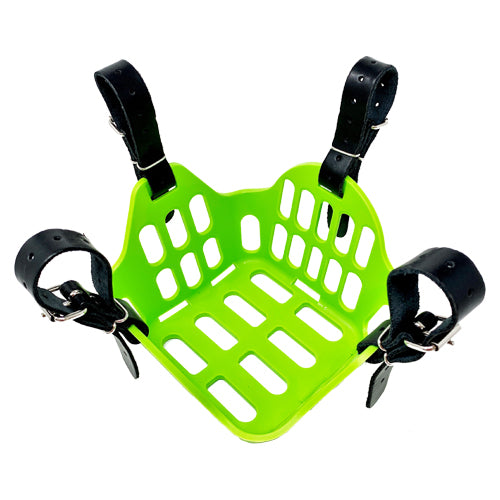
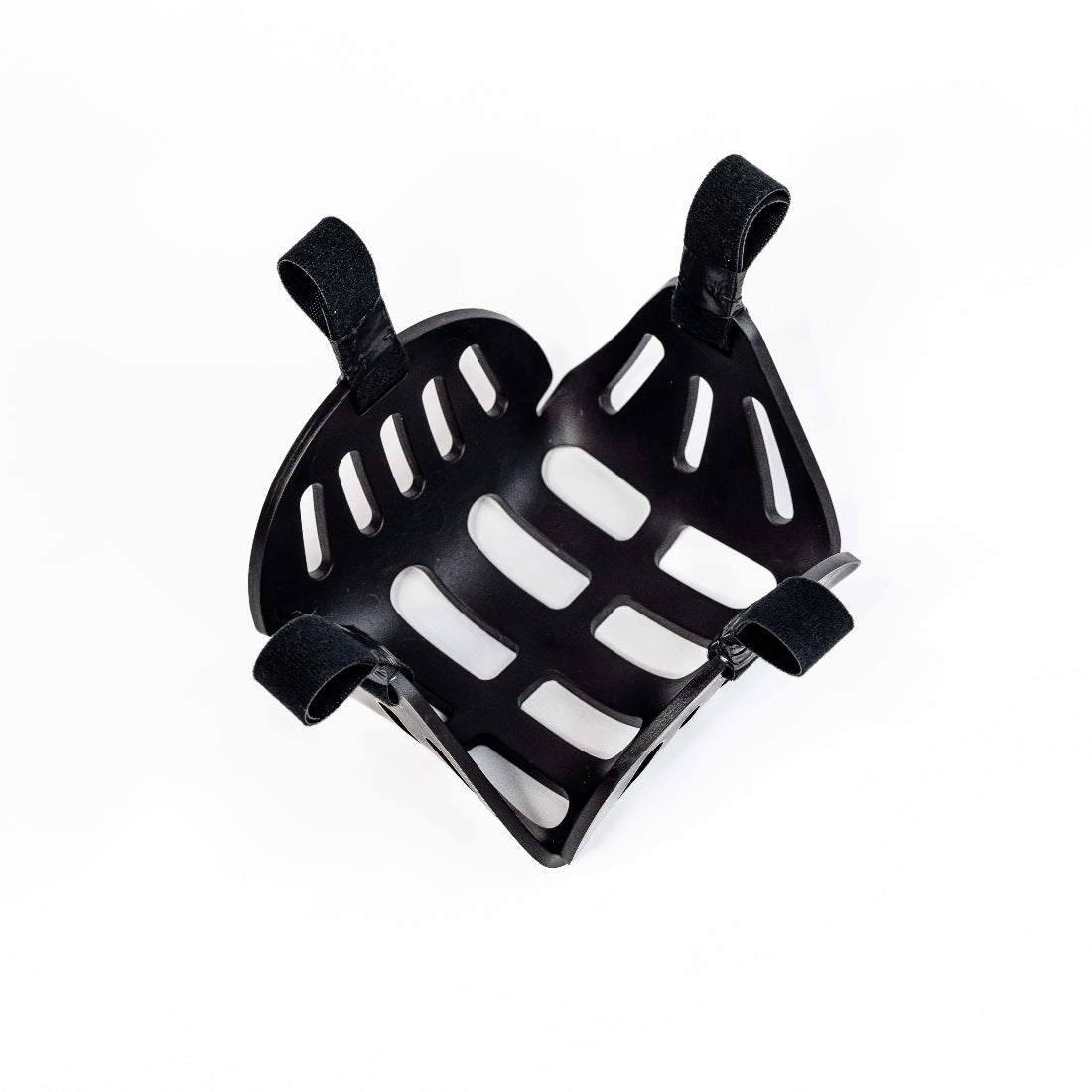
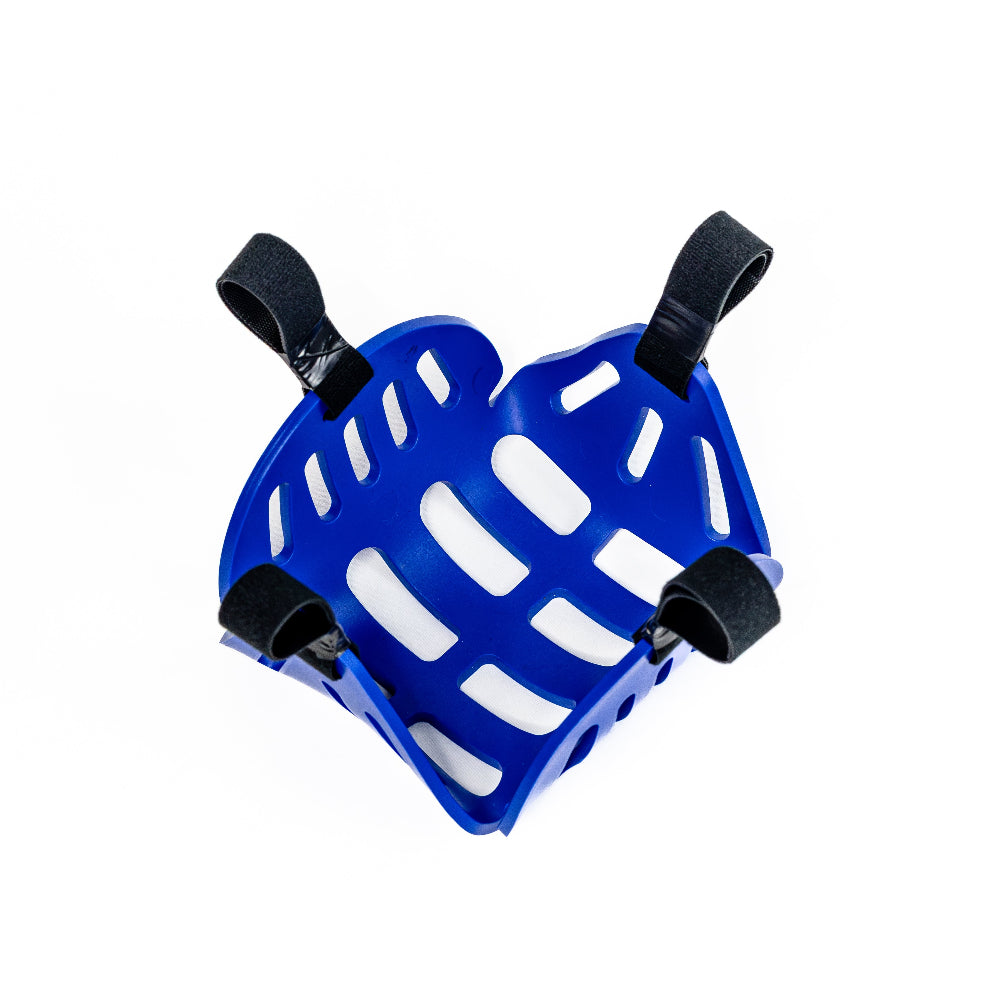
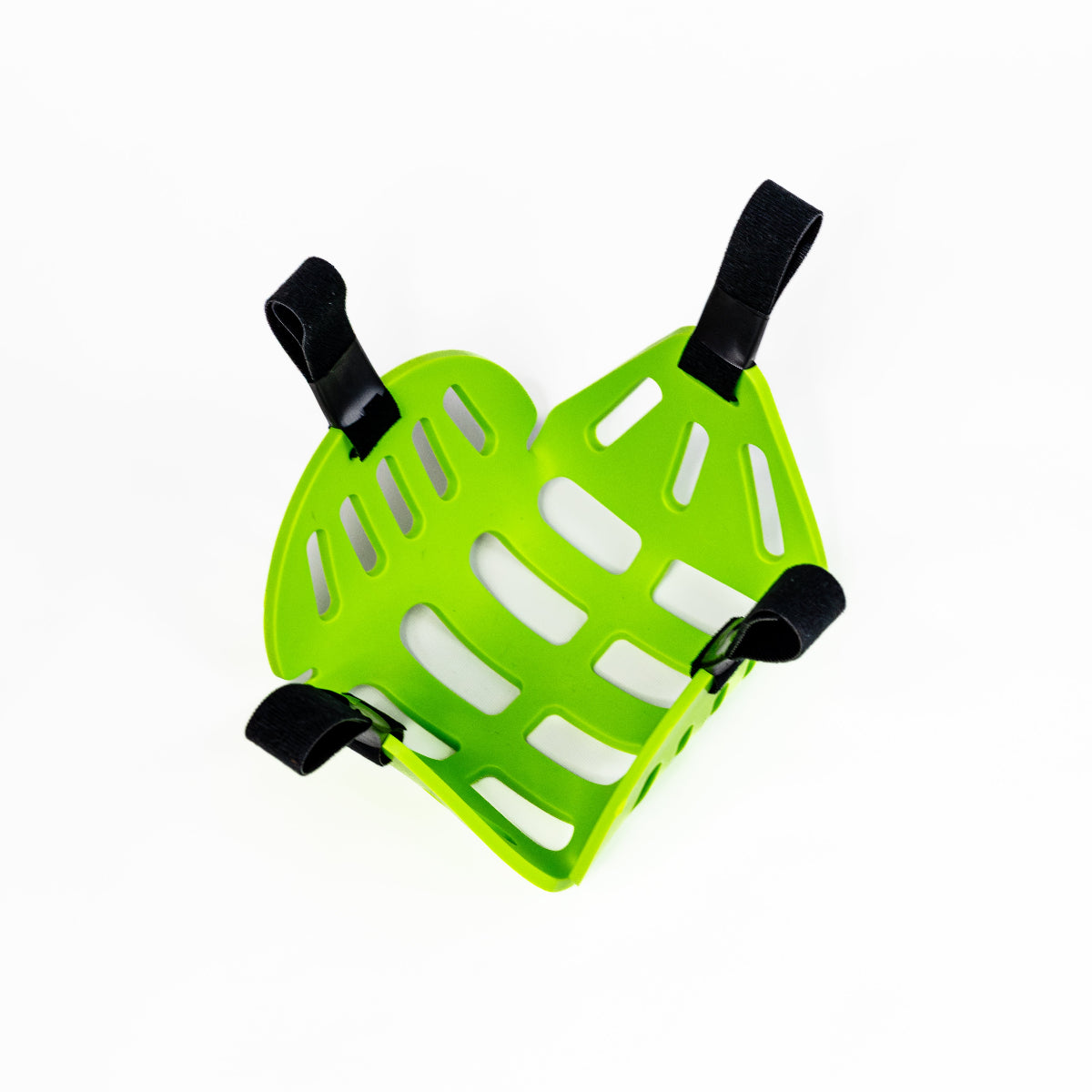
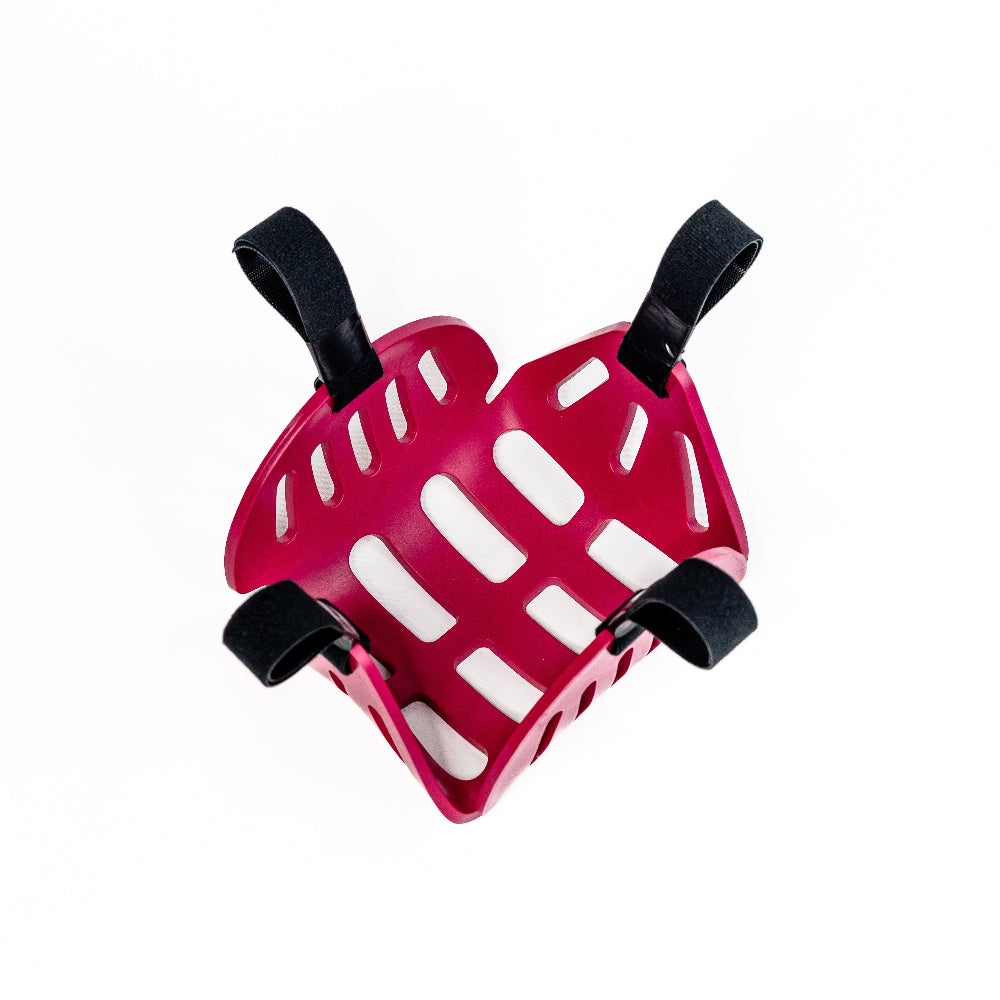
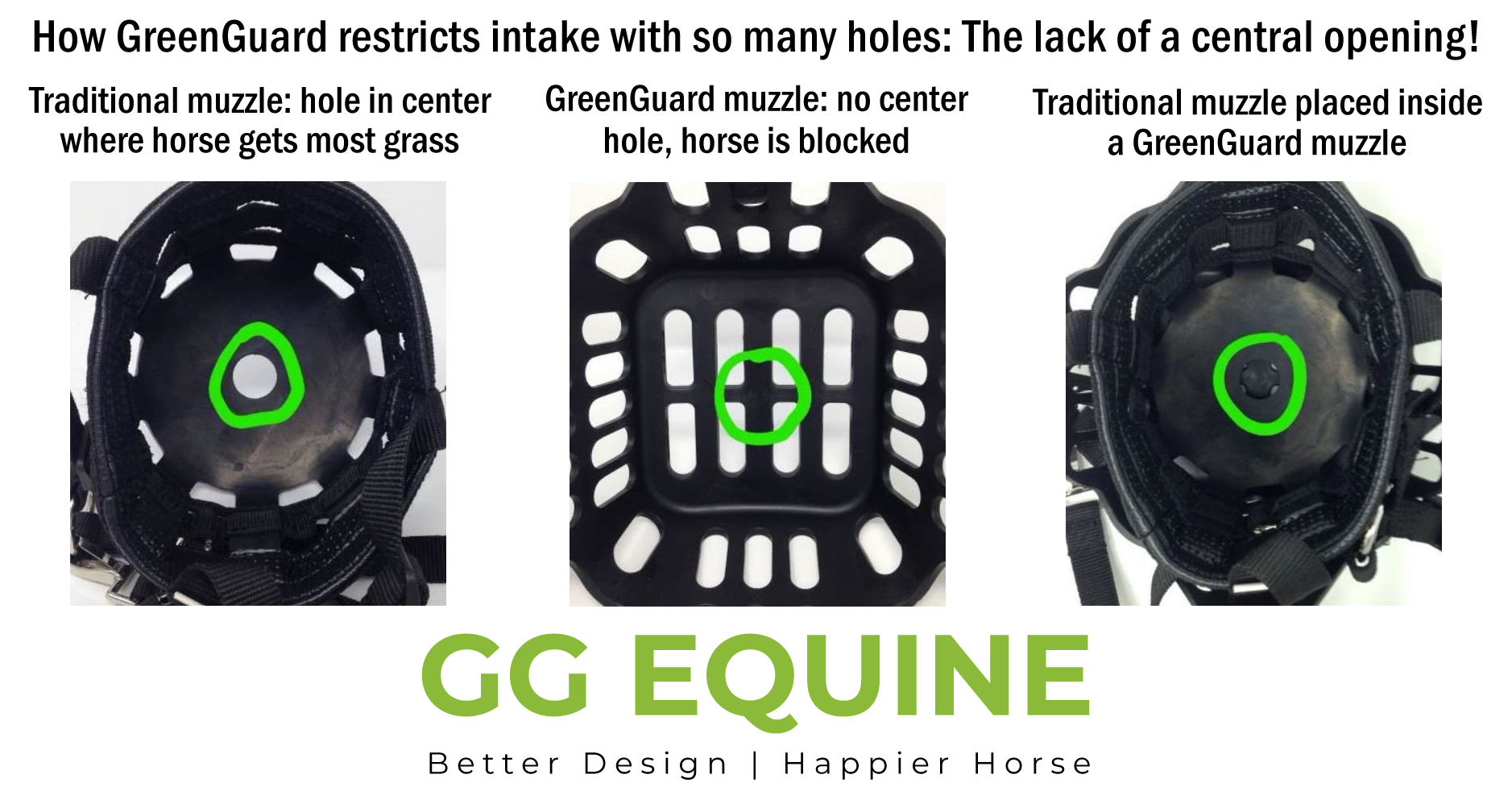
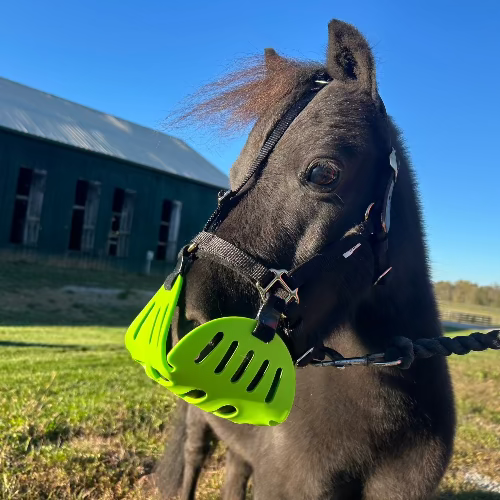
A grazing muzzle functions as a wearable slow feeder.
When properly fitted, two things happen:
-
Intake rate decreases
-
Total intake volume decreases
Slower intake supports more stable hindgut fermentation. Lower intake reduces overall sugar exposure.
This is not about deprivation. It is about regulating speed and volume while maintaining turnout, movement, and herd interaction.
For horses at higher metabolic risk, consistency matters more than restriction by time.
Why Limiting Turnout Time Is Not the Same as Slowing Intake
Shortened turnout does not automatically reduce risk. Many horses compensate for limited time by eating faster. This creates large sugar loads entering the digestive system in a short window.
Rapid intake increases:
-
Hindgut disruption
-
Insulin spikes
-
Laminitis risk
Slowing intake while preserving turnout supports:
-
Natural movement
-
Social interaction
-
Digestive stability
For many horses, slow feeding is safer than time restriction alone.
When Should You Start Grazing Muzzle Season?
Start before visible weight gain.
Start before the pasture looks dramatically different.
Start when growth begins.
Because once the weight tape changes, metabolic stress has already started.
Environmental timing varies by region. Your local agricultural extension office can help identify:
-
Grass species in your pasture
-
Growth cycles
-
Seasonal sugar trends
But your most reliable indicators are your horse’s body condition and metabolic status.

Grazing muzzles are a wearable slow feeder!
Easy Keepers and Metabolic Risk
An easy keeper maintains or gains weight easily, often with minimal feed changes.
Obesity increases risk for:
-
Insulin dysregulation
-
Laminitis
-
Joint strain
-
Heat intolerance
Weight gain during spring often happens quickly and quietly.
Using a weight tape regularly provides more accurate tracking than visual assessment alone.
For easy keepers, early and consistent grazing management is protective.
Hard Keepers Are Not Automatically Low Risk
Hard keepers still require thoughtful management.
If diagnosed with PPID or insulin dysregulation, they remain at laminitis risk despite a lean appearance. Even metabolically healthy hard keepers experience digestive shifts when transitioning to rich spring grass.
A gradual introduction and a slowed intake support digestive adaptation.
Daily Monitoring During Grazing Season
Grazing management works best when paired with consistent observation.
Digestive Indicators to Watch
-
Manure consistency
-
Manure volume
-
Changes in frequency
-
Signs of dehydration
Loose manure during pasture transitions can indicate digestive stress. Very dry manure can signal dehydration or reduced water intake.
You cannot assess sugar intake by manure appearance alone.

You can't tell from a horse's manure how much sugar and starch they eat.
Hoof Health and Early Warning Signs
Warm hooves alone are not diagnostic. Always confirm with a digital pulse assessment.
To check digital pulses:
-
Locate the artery at the back of the fetlock
-
Use your first and middle fingers
-
Apply light pressure
-
Compare both sides
A faint or barely detectable pulse is normal. A strong or bounding pulse suggests inflammation within the hoof and warrants further evaluation.
Possible causes include:
-
Abscess
-
Bruise
-
Laminitis
-
Infection
Monitoring pulses regularly helps you detect changes early.
Signs Your Horse May Be at Higher Laminitis Risk
Connect with your veterinarian if you notice:
-
Cresty neck development
-
Fat pads along the tailhead or the shoulders
-
Weight gain
-
Sore hooves after grazing
-
Fluctuating digital pulses
-
Reluctance to walk on firm ground
-
History of laminitis or gas colic
Proactive bloodwork provides clarity regarding insulin and metabolic status.
Read more about the signs of laminitis here.
How Long Does Grazing Muzzle Season Last?
For some horses, it may be a short transitional period.
For others, especially those with chronic metabolic challenges, pasture access may always require intake management.
In situations where pasture is inappropriate, slow feed systems such as HayPlay bags allow continuous forage access while maintaining controlled intake.
The duration depends on:
-
Metabolic health
-
Body condition
-
Pasture type
-
Seasonal growth patterns
There is no universal end date.

A Practical Rule of Thumb
Do not wait for obvious signs of weight gain.
Do not wait for sore feet.
Begin intake management as growth begins, not after risk escalates.
Slow, steady intake supports:
-
Stable digestion
-
More consistent insulin response
-
Healthier hooves
-
Better long-term weight management
Thoughtful restriction, when appropriate, protects the horse while preserving turnout and movement.
Frequently Asked Questions
Can a healthy horse still benefit from a grazing muzzle in spring?
Yes. Even metabolically healthy horses may benefit from slowed intake during rapid pasture growth.
Is limiting turnout enough to prevent laminitis?
Not always. Intake rate matters as much as time spent grazing.
When is pasture never appropriate?
In some severe metabolic cases, full pasture access may not be safe. Your veterinarian should guide this decision.
Are grazing muzzles only for overweight horses?
No. They are intake management tools that support digestive stability and metabolic balance.
Scoring your horse's neck can help determine how much weight they're carrying.
------
Original article written by Sarah Borns, a lawyer and former barn manager. Recently updated by GG Equine for optimizations.
------