Laminitis is one of the most serious hoof conditions a horse can develop. It can progress quickly, cause severe pain, and lead to permanent structural damage inside the hoof if not addressed early.
Many horse owners associate laminitis with lush spring grass or a horse getting into grain. While those are common triggers, laminitis is more complex and often linked to metabolic dysfunction.
Recognizing early signs allows for faster veterinary intervention, improved comfort, and better long-term outcomes.
What Is Laminitis?
Laminitis is inflammation of the laminae, the sensitive tissues that attach the coffin bone to the inside of the hoof wall.
When inflammation disrupts blood flow within the hoof:
- Pain increases
- Structural support can weaken
- The coffin bone may rotate or sink
When the coffin bone sinks or rotates significantly, the condition is called founder. Not every case progresses to founder. Early recognition and treatment are critical.

What Causes Laminitis in Horses?
Laminitis is complex and can often be linked to deeper processes within the body.
Metabolic and Endocrine Conditions
Many horses that develop laminitis have an underlying condition, such as:
- Equine Metabolic Syndrome (EMS)
- Pituitary Pars Intermedia Dysfunction (PPID)
- Insulin dysregulation
Elevated insulin levels are a primary trigger in many cases of laminitis. High circulating insulin can directly damage the laminae.
This is why laminitis is often connected to pasture, sugar, and starch intake.
Dietary Triggers
Common triggers include:
- Lush spring or fall pasture
- Grain overload
- Abrupt feed changes
- High sugar or statch intake
Laminitis typically develops 20 to 72 hours after a triggering event.
Mechanical Causes
Repeated concussion on hard ground can cause inflammation within the hoof. This is sometimes referred to as road founder.
Supporting Limb Laminitis
A horse that is non-weight-bearing on one limb due to injury may overload the opposite limb. Prolonged overload can lead to laminitis in the supporting leg.
Systemic Illness
Laminitis can also develop following:
- Retained placenta
- Severe infection
- High fever
- Whole body inflammatory response
When the body is inflamed, the hooves are not isolated from that response. In these cases, inflammation throughout the body affects the laminae.
How Quickly Can Laminitis Develop?
Laminitis can develop faster than many owners expect.
Visible signs often appear within 20 to 72 hours after a trigger. By the time lameness is obvious, inflammation is already established inside the hoof.
This is why subtle signs matter.

Become familiar with the contours of your horse's hooves. Photo by lamiafotografia on Shutterstock
.
Early Signs of Laminitis in Horses
Early laminitis does not always look dramatic. It often presents as small but meaningful changes.
Increased Digital Pulse
One of the most valuable habits you can develop is regularly checking your horse’s digital pulse.
A stronger or bounding digital pulse is one of the earliest and most reliable indicators of hoof inflammation.
To check the digital pulse:
• Feel near the fetlock joint along the back of the pastern
• Compare both front and hind limbs
Most healthy horses have a faint or barely detectable pulse. A strong pulse may indicate laminitis or another hoof issue and warrants veterinary attention.
A bounding digital pulse does not automatically mean laminitis. But it does mean something deserves attention.
Elevated Resting Heart Rate
Normal resting heart rate ranges from 28 to 40 beats per minute.
A subtle increase, even 5 or 6 beats above your horse’s baseline, may signal discomfort or inflammation.
Knowing your horse’s typical resting heart rate makes subtle changes easier to detect. You can measure a horse's resting heart rate with a stethoscope or under the jaw across the mandibular artery.
Reluctance to Turn
Early laminitis often shows up in how your horse navigates turns before it shows up in straight lines. Turning places more stress on the laminae. Discomfort during turns is a meaningful early sign.
Watch for:
- Small, careful steps
- Shifting weight back onto the hindquarters
- Hesitation on hard surfaces
- Reluctance to pivot
Sometimes it looks like stiffness. Sometimes it looks like reluctance. Either way, it is worth noticing.

A horse that turns or rests awkwardly in its stall may be suffering from laminitis. Photo by Wadim Wall on Shutterstock.
Shorter, Choppier Strides
A horse in early laminitis may:
- Take shorter steps
- Move cautiously
- Hesitate on hard ground
Transitions from soft footing to harder ground often reveal early discomfort.
Heat in the Hooves
Heat alone is not diagnostic, but consistent monitoring helps you recognize when something feels abnormal.
Heat combined with other signs increases concern.
Changes in the White Line or Sole
During trimming, you or your farrier may notice:
- Bruising
- Blood staining
- White line stretching or separation
These changes require discussion with your veterinarian and farrier. Laminitis prevention is rarely a solo effort. It is a team approach between you, the vet, and the farrier.
Is Your Horse at Risk for Laminitis?
Some horses are more prone than others.
Risk factors include:
- Excess body weight
- Insulin resistance
- EMS or PPID
- Previous laminitic episodes
- Sensitivity to pasture
None of these means laminitis is inevitable. But they do mean management matters.
How to Support Long-Term Hoof Health
Laminitis prevention is largely focused on metabolic stability and appropriate intake control.
Weight Management
Maintaining a healthy body condition score significantly reduces risk. Weight loss in overweight horses lowers both mechanical stress and insulin levels.
Appropriate Forage Restriction
Restriction, when done thoughtfully and safely, is protective.
This may include:
• Controlled pasture access
• Dry lot turnout
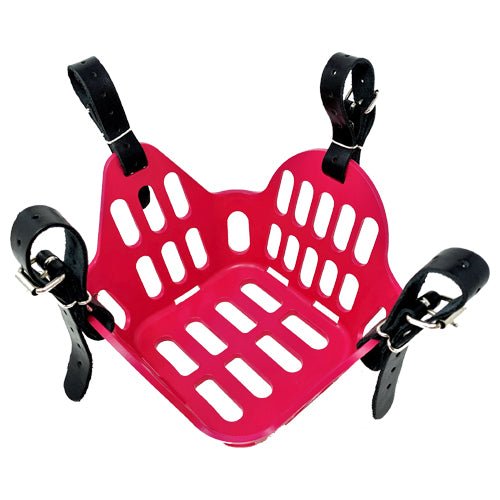
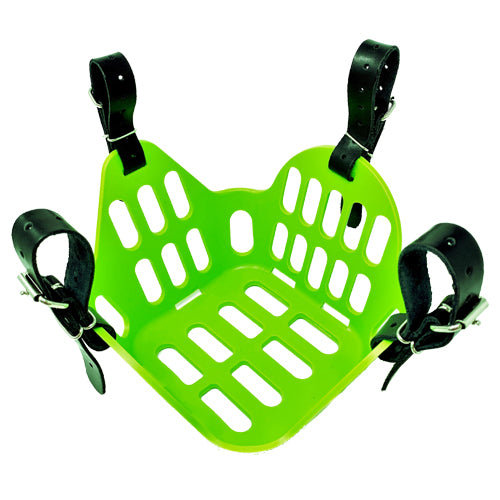
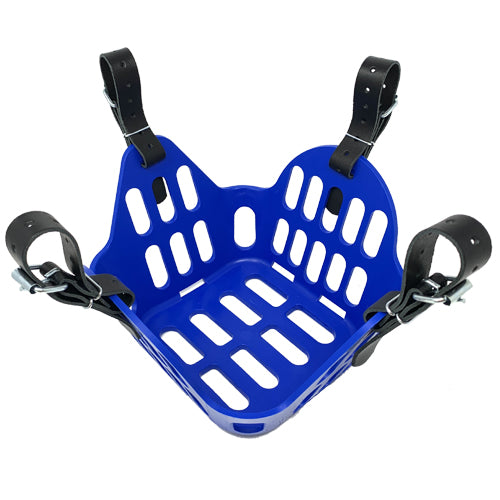
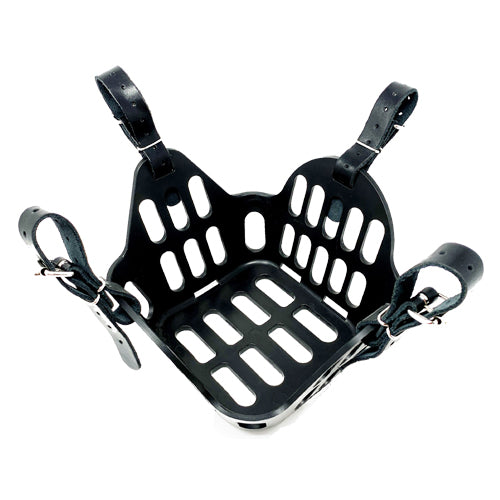
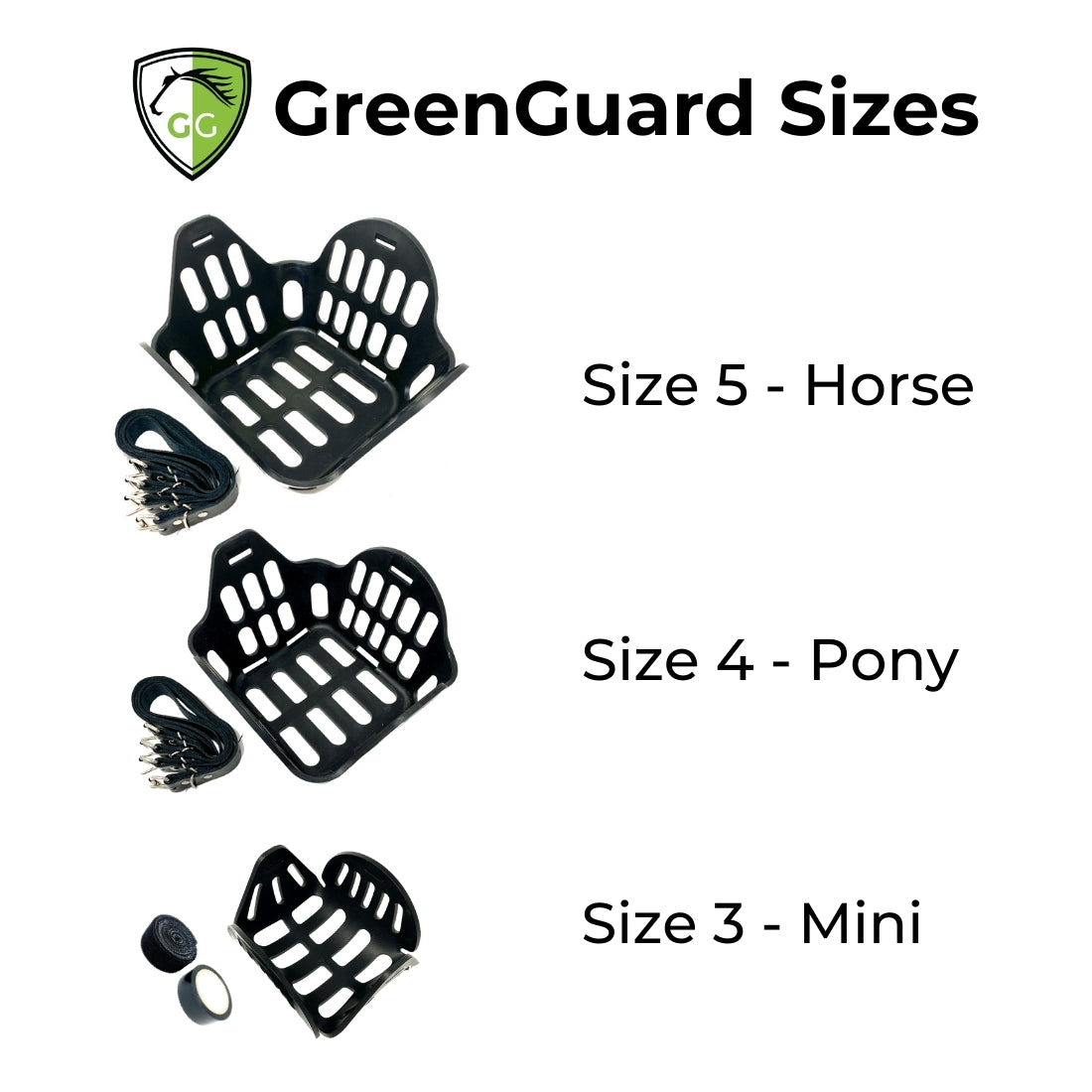
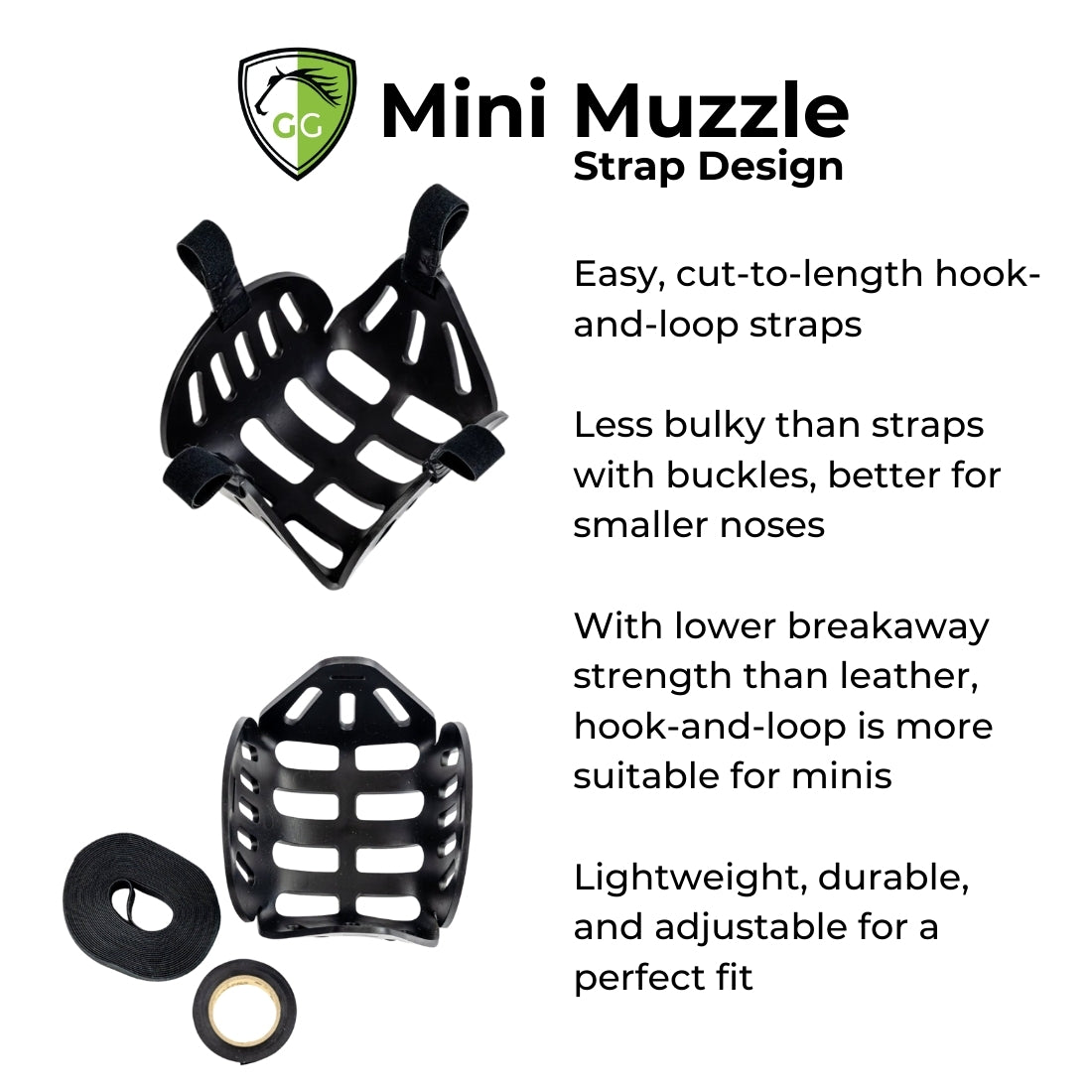
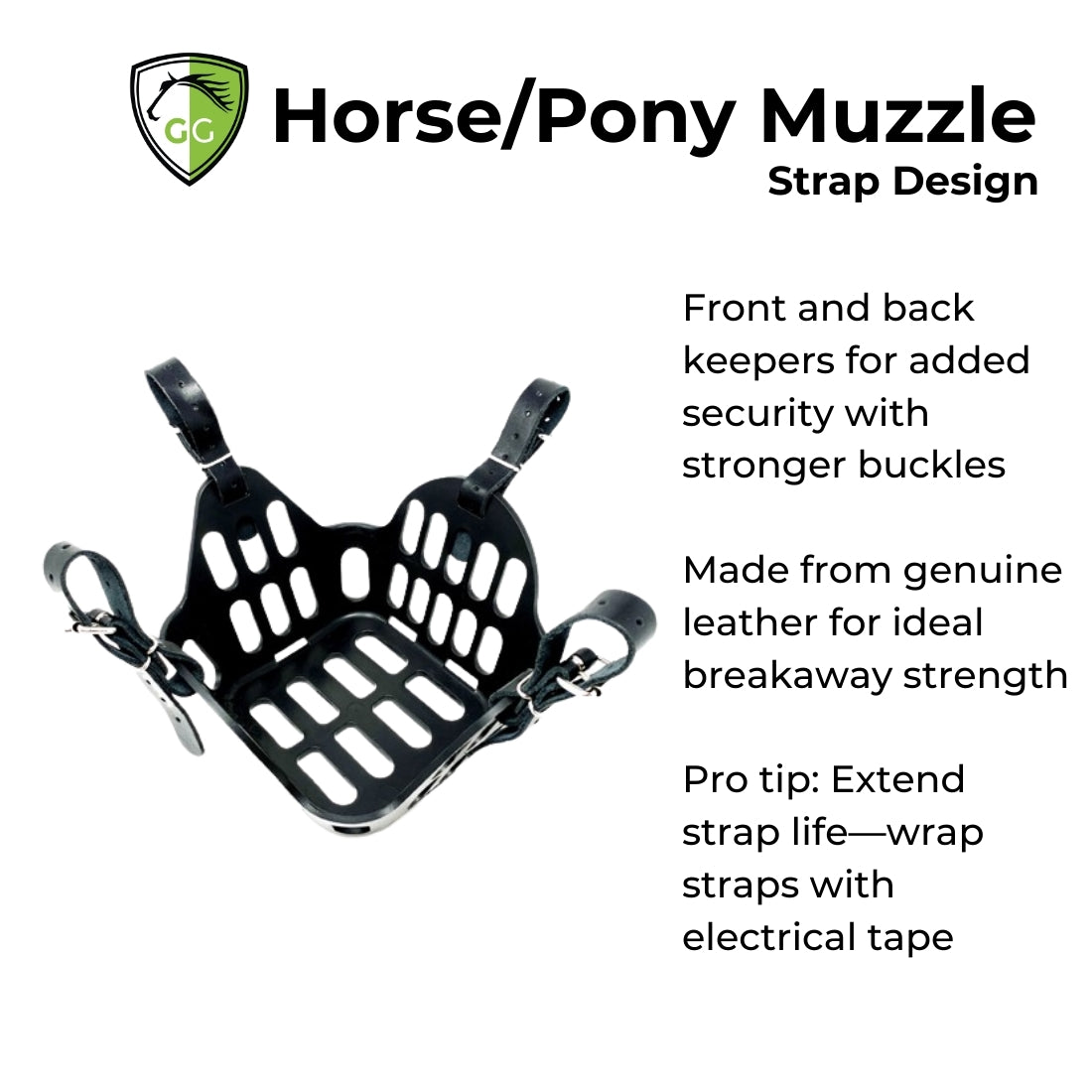
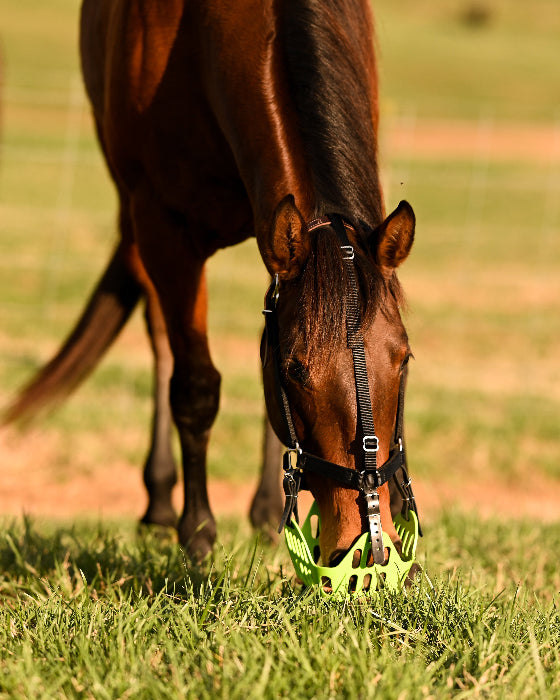
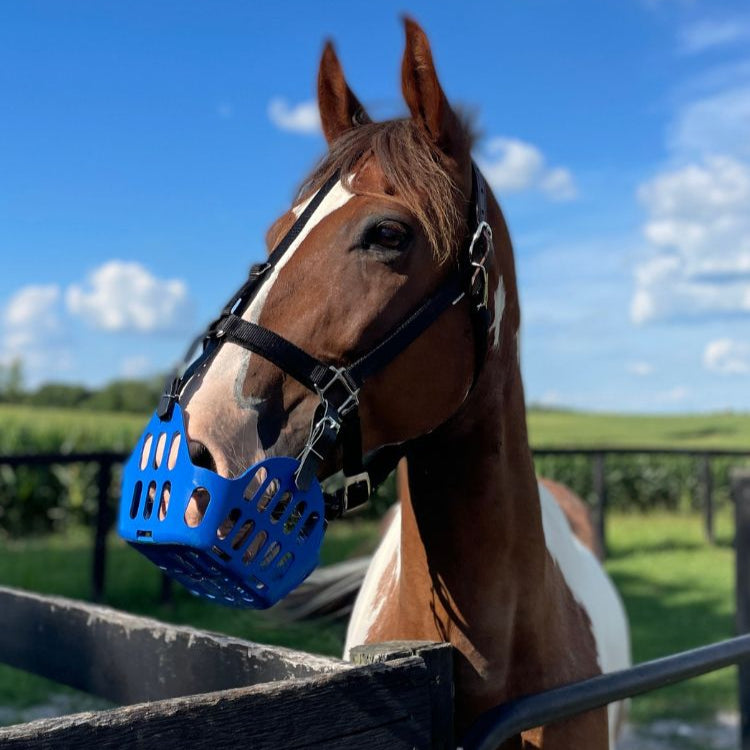
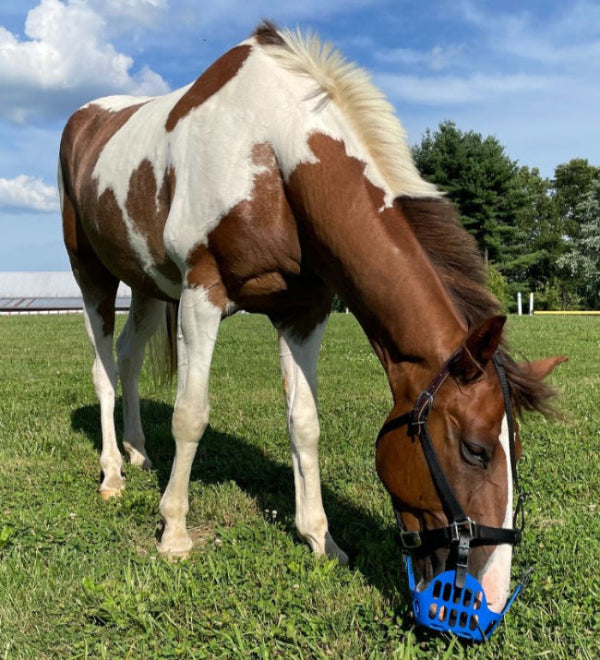
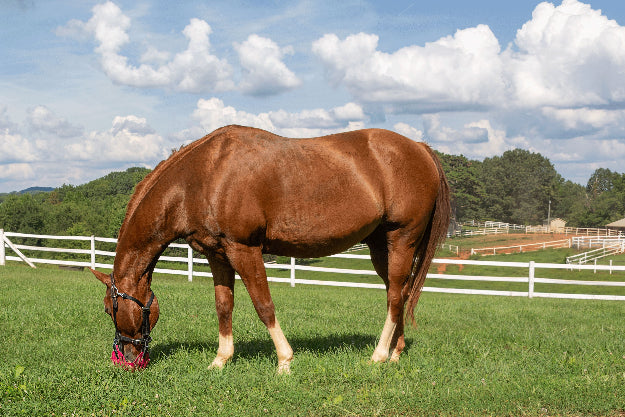
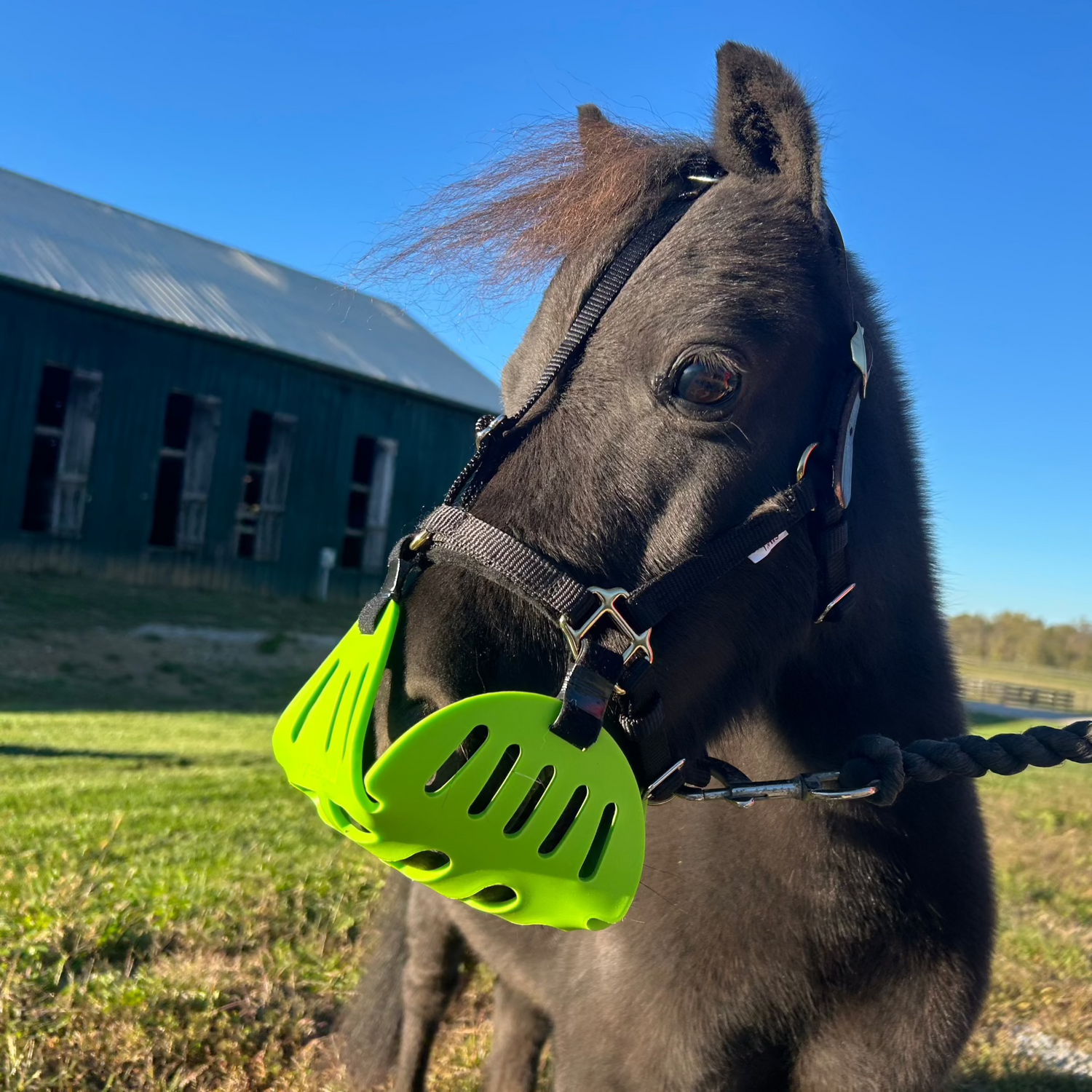
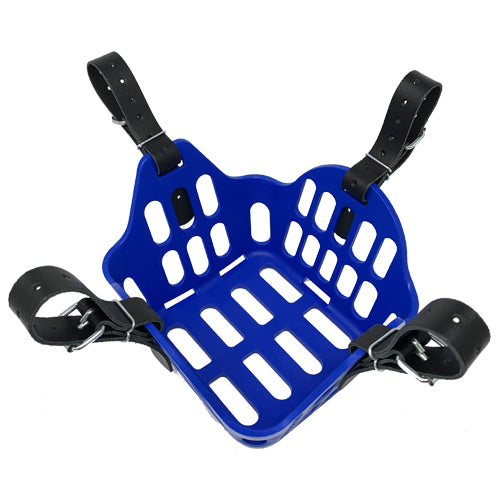
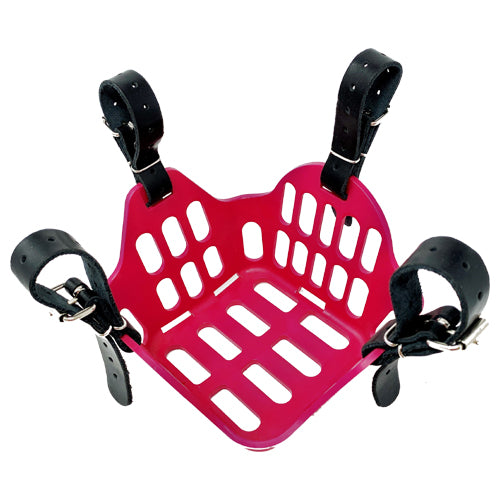
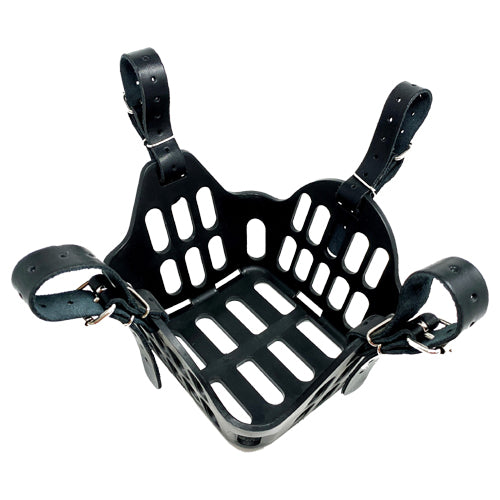
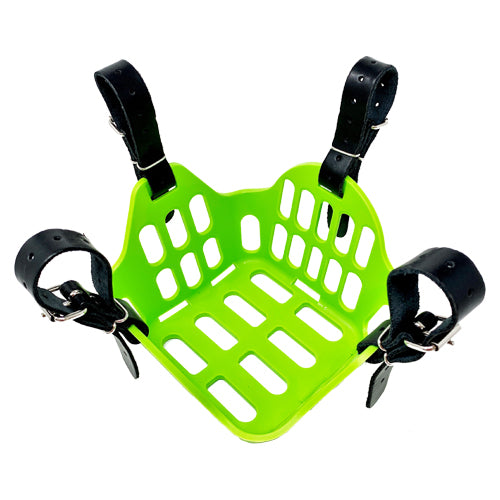
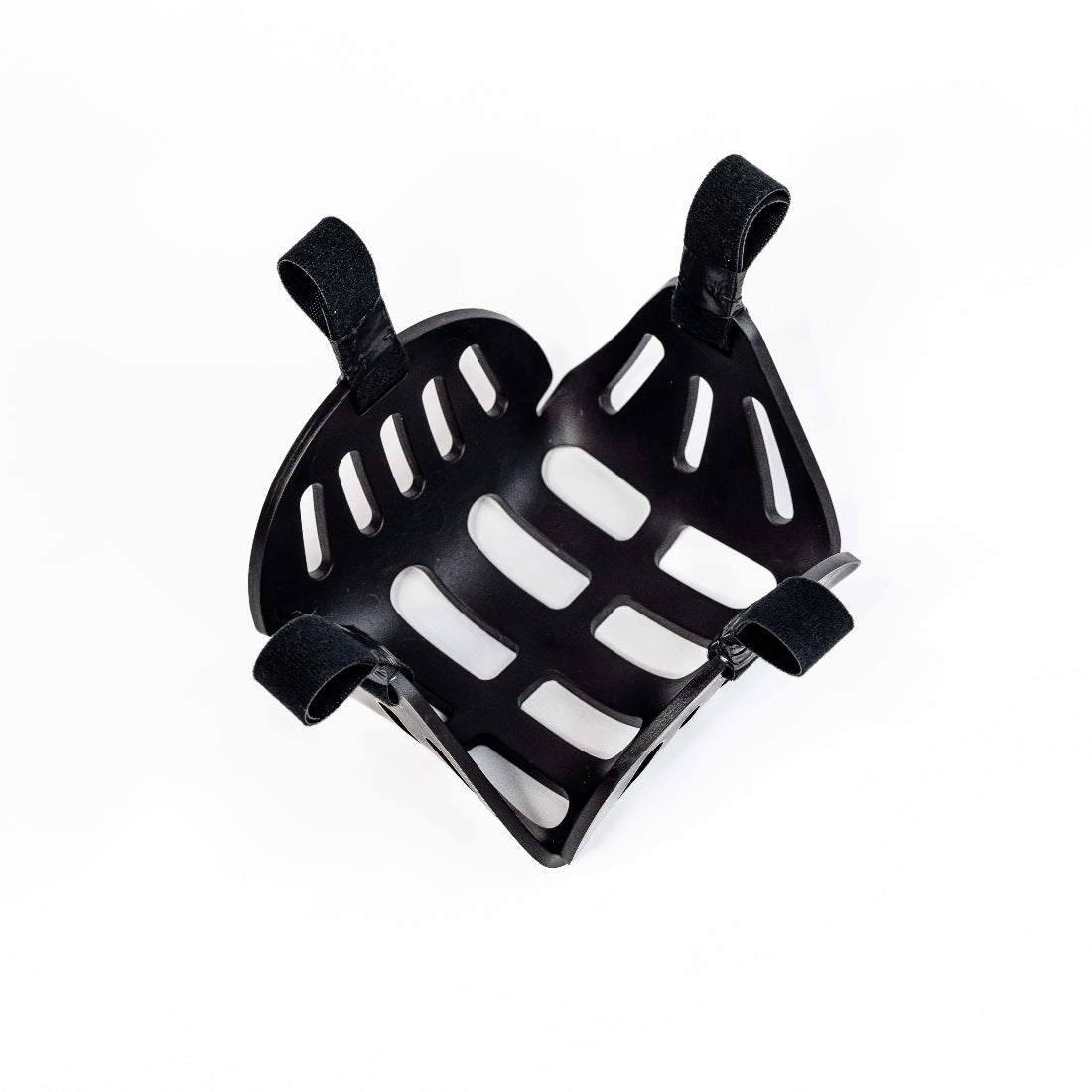
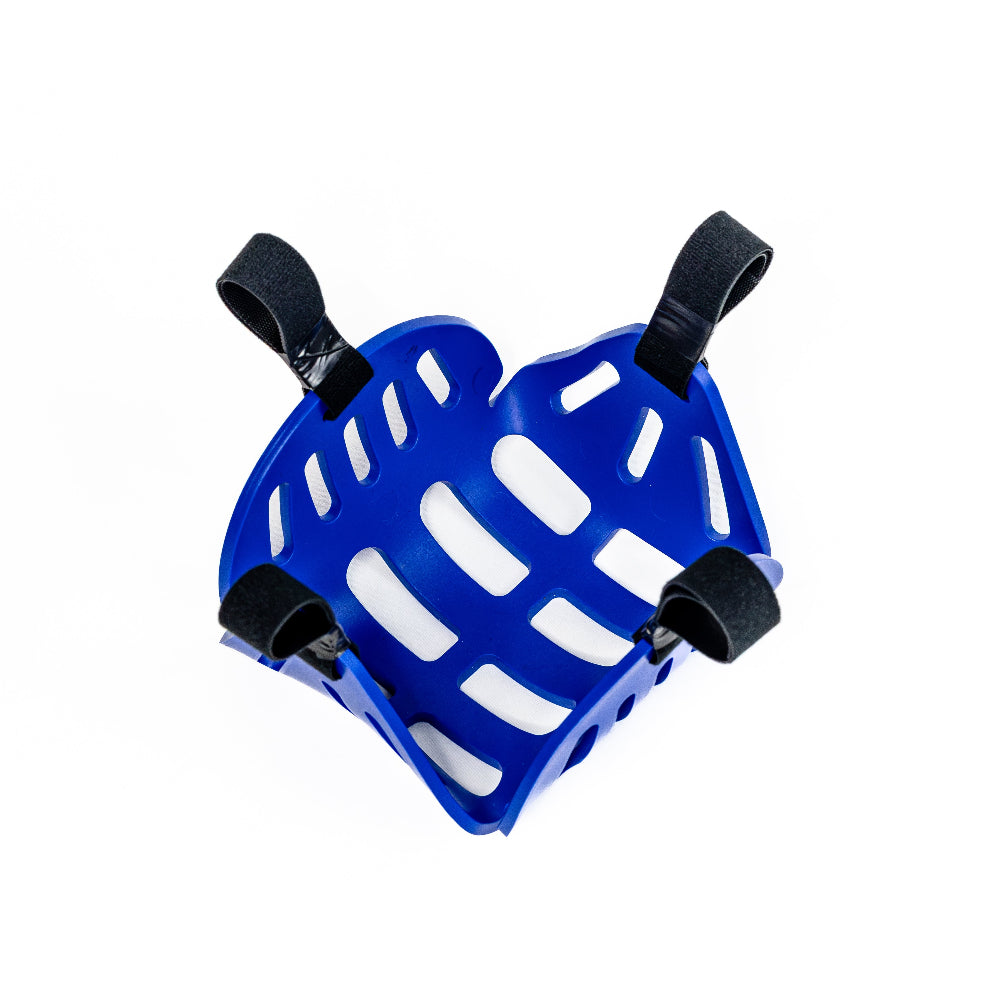
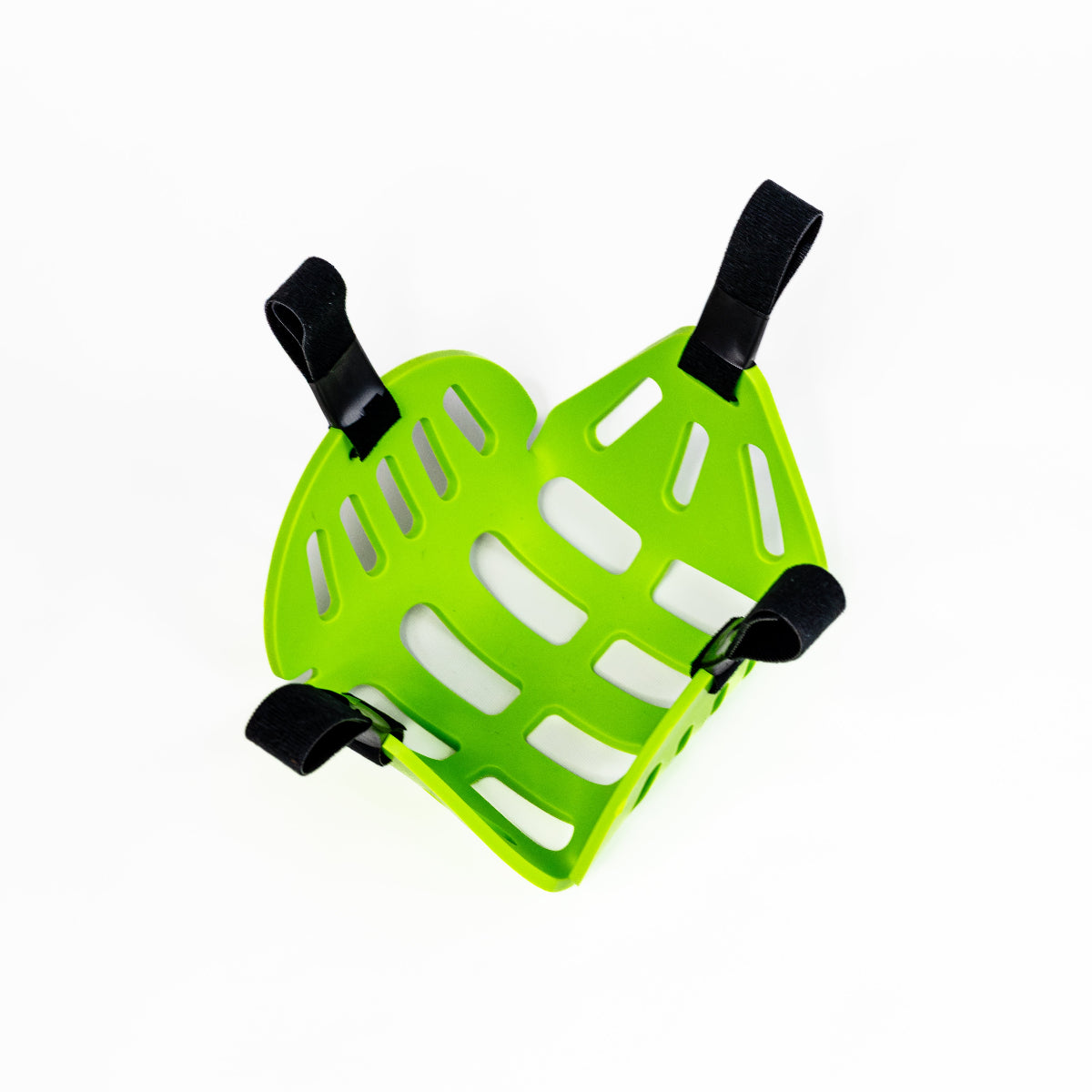
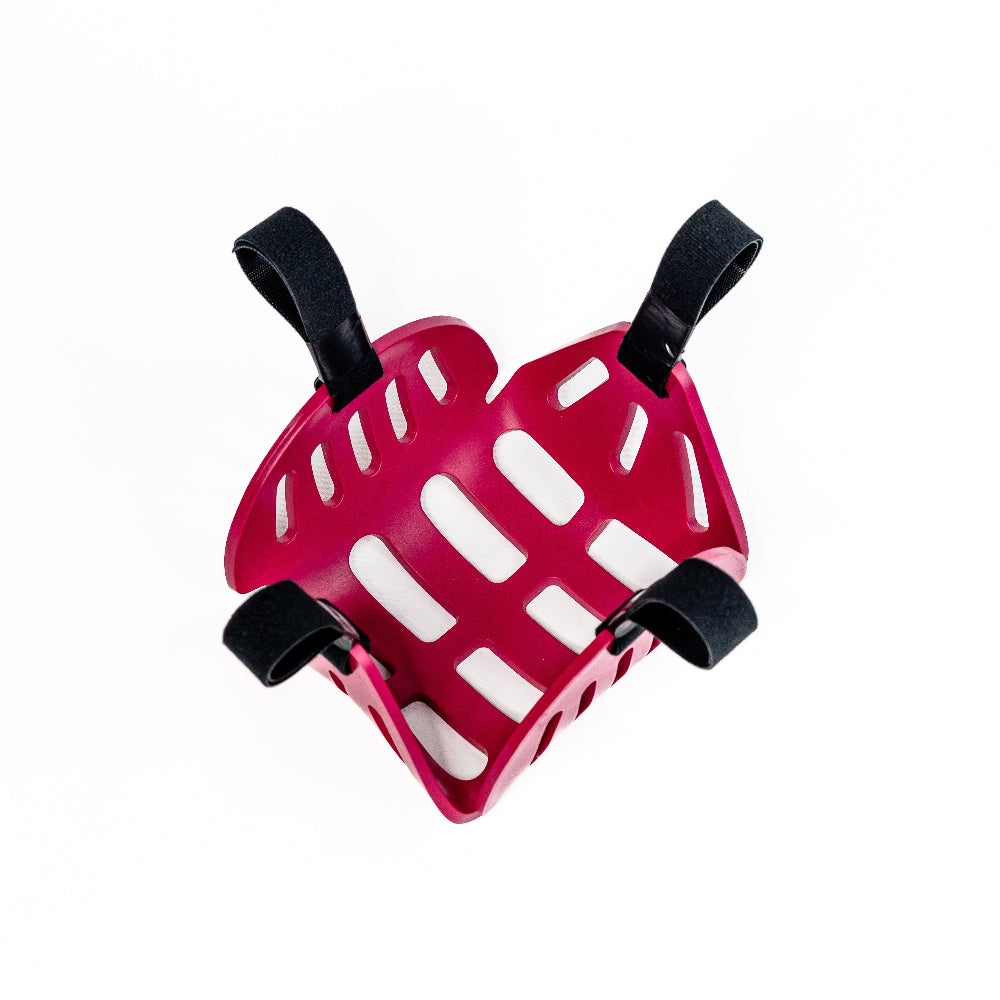
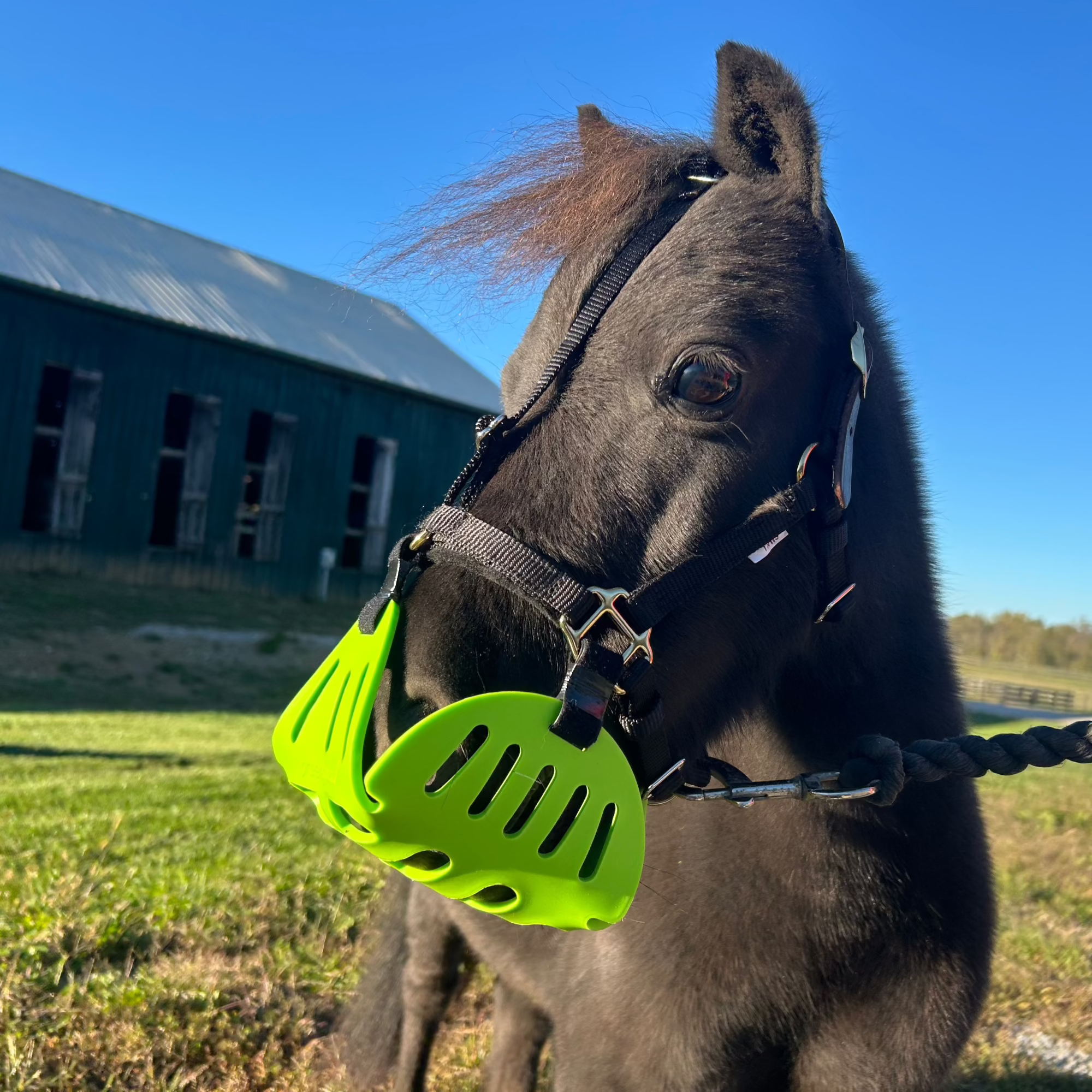
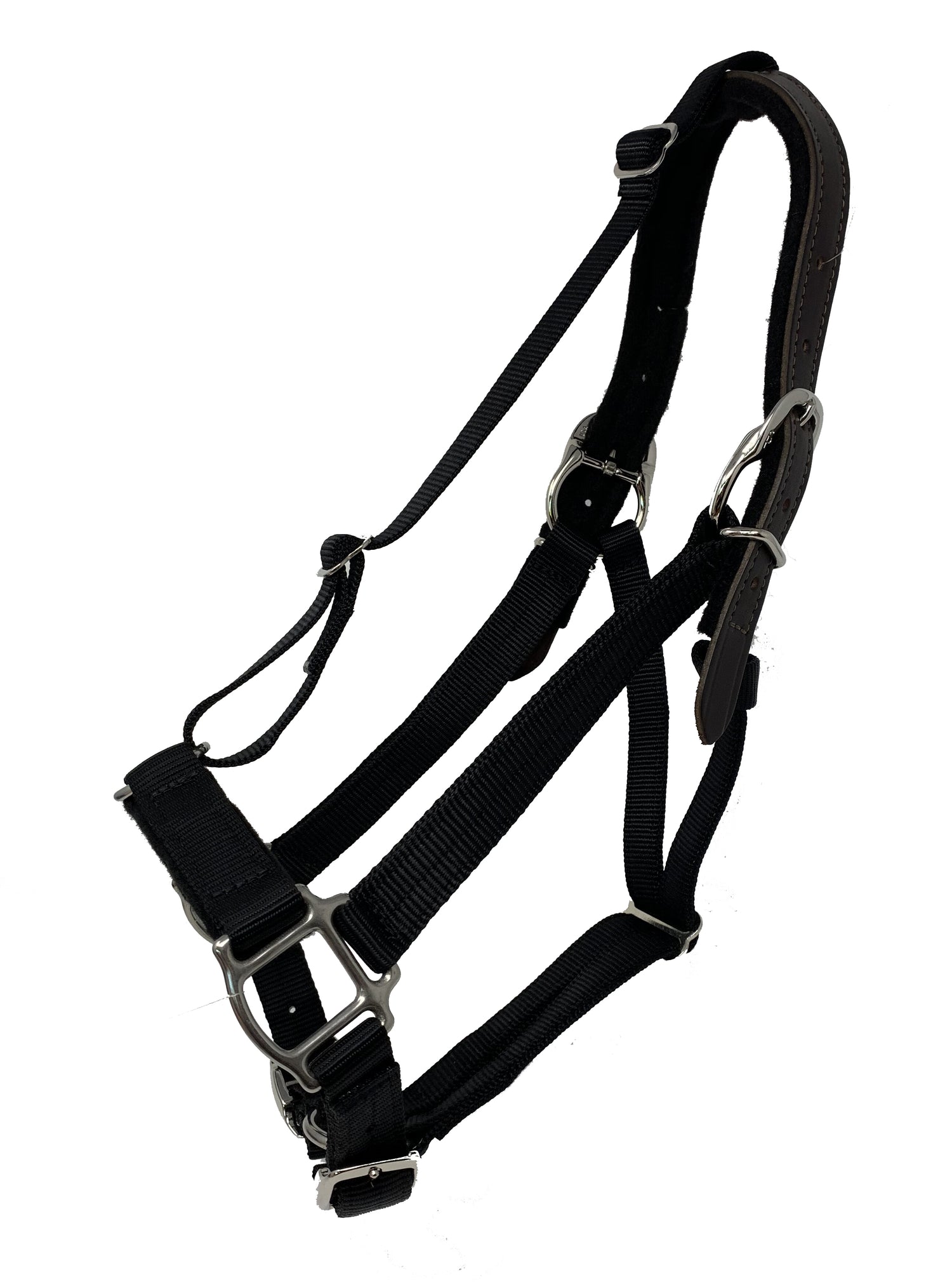
• Grazing muzzles to limit intake
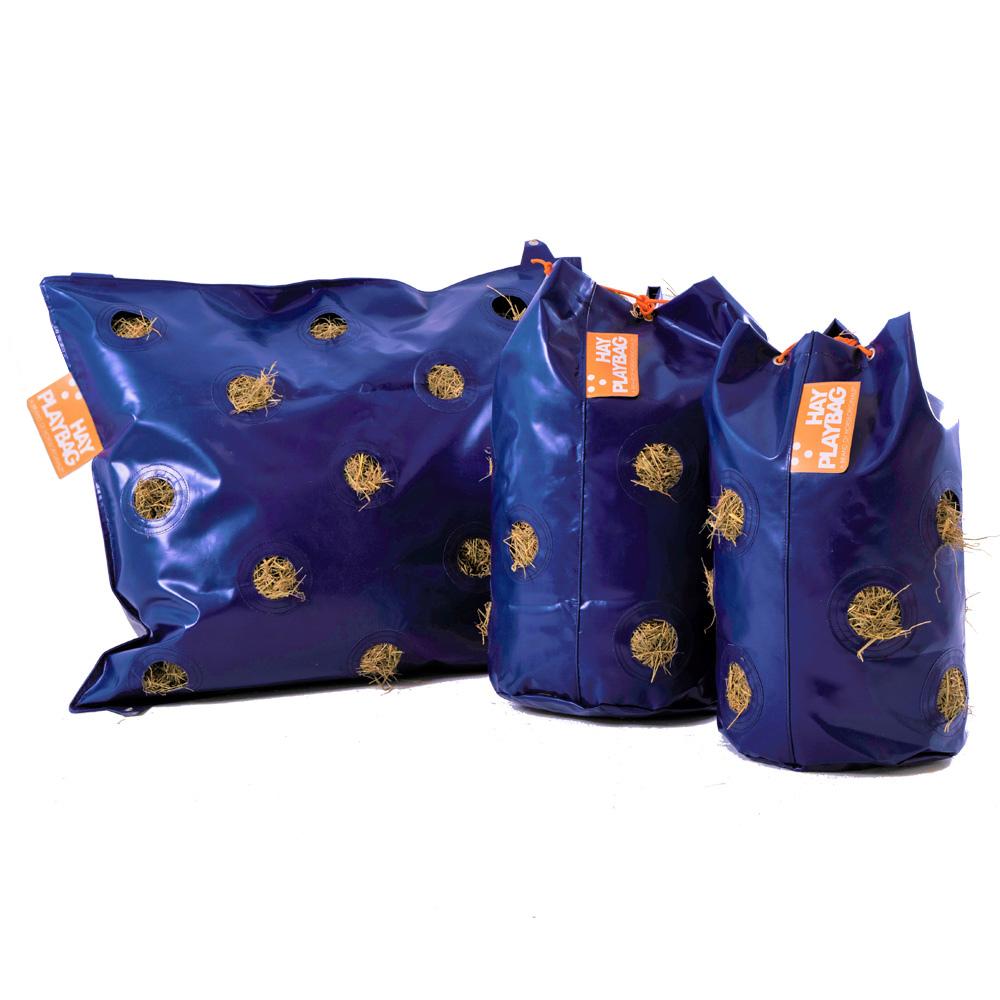
• Slow feeding systems to reduce rapid consumption
The goal is not the elimination of forage. The goal is controlled intake that prevents insulin spikes.
Metabolic Testing
Work with your veterinarian to test for:
• Insulin dysregulation
• EMS
• PPID
Early diagnosis allows for structured management.
Consistency in Diet
Avoid sudden changes in:
• Forage type
• Grain quantity
• Pasture exposure
Stability reduces metabolic stress.
When to Call the Veterinarian
Contact your veterinarian immediately if you notice:
• A bounding digital pulse
• Increased resting heart rate
• Reluctance to move
• Shortened stride
• Signs of colic
Laminitis is not a condition to monitor casually. Early intervention improves comfort and protects the internal structures of the hoof.

Your equine vet can run tests to discover metabolic disorders. Photo by Hedgehog94 on Shutterstock
Final Thoughts
Laminitis can be serious, but informed management makes a measurable difference.
Understanding early signs, monitoring risk factors, and applying appropriate restrictions when necessary are practical tools within every horse owner’s reach.
Early recognition protects your horse’s soundness and long-term comfort.
This helpful article has more about the causes of equine laminitis