Laminitis is a painful inflammatory condition that affects the laminae, the soft tissues that attach the hoof wall to the coffin bone. When these tissues become inflamed or compromised, the bond between the hoof wall and bone weakens. In severe cases, this can lead to rotation or sinking of the coffin bone.
Laminitis is not a single disease with a single cause. It is a syndrome with multiple triggers. Understanding what causes laminitis in horses helps owners reduce risk and respond early.
According to the American Association of Equine Practitioners and the Merck Veterinary Manual, laminitis most commonly develops from metabolic dysfunction, inflammatory disease, mechanical overload, or trauma.
The Four Main Categories of Laminitis Causes:
- Metabolic Issues
- Inflammation
- Support Limbs or Mechanical
- Trauma

Laminitis is a secondary condition, so we must look at the causes of the causes. Photo by Petro Shkvarok.
Metabolic Causes of Laminitis
Metabolic laminitis is the most common form seen today.
Horses with equine metabolic syndrome, insulin resistance, obesity, or pituitary pars intermedia dysfunction are at significantly higher risk. In these horses, elevated insulin levels alone can trigger laminitis, even without hindgut upset.
Research from the University of Queensland and other institutions has demonstrated that sustained hyperinsulinemia can directly cause laminitis.
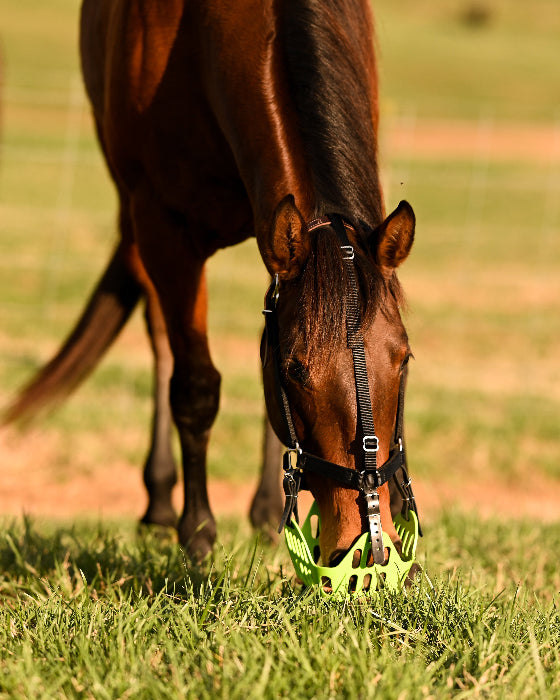
Spring and fall pasture growth increases non-structural carbohydrate levels in grasses. These sugars can contribute to insulin spikes in susceptible horses.
This is why pasture management and controlled intake become critical for horses with metabolic risk factors.
Inflammatory and Systemic Causes
Laminitis can also occur secondary to systemic illness.
Conditions such as:
-
Severe colitis
-
Grain overload
-
Retained placenta
-
Septic infections
can lead to endotoxemia. When endotoxins circulate through the bloodstream, they can disrupt blood flow to the laminae and trigger inflammation.
In these cases, laminitis develops as a complication of another primary disease.
Support Limb and Mechanical Laminitis
Support limb laminitis occurs when a horse places excessive weight on one limb for an extended period, often due to injury in the opposite limb.
This overload reduces blood flow and stresses the laminae.
Mechanical laminitis can also develop from excessive concussion on hard ground or improper hoof trimming that alters normal biomechanics.
These forms are less common than metabolic laminitis but can be equally severe.
Trauma-Related Laminitis
Direct trauma to the hoof, such as repeated concussion on hard surfaces, may damage the laminar structures.
While trauma alone is less commonly the sole cause, it can contribute to laminar compromise, particularly when combined with metabolic or inflammatory stress.

Too much sweet spring grass can alter a horse's stomach chemistry. Photo by Jays Photos.
Early Warning Signs of Laminitis Risk
Understanding what causes laminitis is only part of prevention. Recognizing early signs allows faster intervention.
Watch for:
-
Warm hooves
-
Increased or bounding digital pulses
-
Reluctance to move on firm ground
-
Subtle gait changes
-
Weight shifting between front feet
-
A cresty neck or abnormal fat deposits
If you notice these signs, consult your veterinarian promptly. Early detection improves outcomes.
For a detailed guide to early symptoms, read our related article on early signs of laminitis in horses.

A horse with pre-existing metabolic conditions is at special risk of laminitis. Photo by Jays Photos.
Why Pasture Management Matters
Rapid pasture growth increases sugar accumulation in grasses. Cool nights followed by sunny days can elevate non-structural carbohydrate levels, particularly in stressed or rapidly growing grass.
For horses at metabolic risk, unrestricted grazing during these periods can increase the likelihood of laminitis.
Thoughtful intake management, gradual transitions, and veterinary monitoring are practical tools to reduce exposure to excess sugars while maintaining turnout and movement.
Laminitis Has Multiple Causes
Laminitis is not simply caused by rich grass.
It can result from:
- Insulin dysregulation
- Obesity
- Endocrine disease
- Systemic inflammation
- Mechanical overload
- Trauma
Each horse’s risk profile is unique. Evaluating body condition, metabolic status, pasture quality, and overall health provides a clearer picture than relying solely on the season.
If your horse has a history of laminitis, colic, or metabolic disease, proactive planning with your veterinarian is essential.

Farriers address the consequences of laminitis in horse hooves. Photo by Jill Richardson King.
Frequently Asked Questions
Is grass the main cause of laminitis?
Grass itself is not the direct cause. Elevated sugars in pasture can trigger laminitis in susceptible horses, particularly those with metabolic disorders.
Can a thin horse get laminitis?
Yes. Horses with PPID or insulin dysregulation can develop laminitis even if they are not overweight.
Is laminitis always related to diet?
No. It can also develop from systemic disease, infection, trauma, or support limb overload.
Can laminitis be prevented?
Risk can often be reduced through metabolic testing, weight management, gradual diet transitions, and controlled intake during high-risk pasture periods.
Liv Gude is the founder of Pro Equine Grooms, a community devoted to the best in horse care.

Sources
Asplin et al., Insulin-Induced Laminitis
https://pubmed.ncbi.nlm.nih.gov/19469271/
MSD Veterinary Manual, Pathophysiology of Laminitis
https://www.msdvetmanual.com/musculoskeletal-system/disorders-of-the-foot-in-horses/laminitis-in-horses
Colorado State University Veterinary Teaching Hospital
https://vetmedbiosci.colostate.edu/vth/services/laminitis/
University of Minnesota Extension, Pasture Associated Laminitis
https://extension.umn.edu/horse-pastures-and-facilities/pasture-laminitis-horses